Wednesday Wander Revisited – Rocher De La Vierge, Biarritz

Another Wednesday, another Wander post revisited. While we still can’t travel (or have to quarantine if we do), it’s nice to look back at places I’ve been, as well as consider places I’d like to go once things go back to whatever normal is going to be. This week I’m wandering to Biarritz, somewhere I visited a few years ago and absolutely loved – the colours of the sea and sky, the rocks and waves, the good food and friendly people. I’ll definitely go back there again, one day…

Last summer, I was fortunate enough to spend some time in Biarritz, located on the French coast. I absolutely loved it – the light, the water, the people, the food – it was just wonderful. I’ve written about it here and here, but for today’s Wander I’m going to go back to the town’s origins as a fishing village, before Napoleon III and Empress Eugenie made it such a fashionable place to be.

For centuries, the principal industry in Biarritz was whaling. It wasn’t until the 18th century that it became known as a town for bathing, and the 19th century when it became fashionable due to the patronage of the Empress.

Nowadays, there are splendid hotels and a casino along the water’s edge but, if you wander a little further along the beach, you come to the old fishing village and harbour, the water clear turquoise against curving ochre rocks.

The old harbour walls remain and are used today – we spent a few minutes there watching a group of men launching a boat into the water. In the mid 1800s, Napoleon III decided he would like to build a large anchor point and sea-wall, connecting a nearby rock to the coastline. A wooden walkway was built between the two, and a statue of the Virgin Mary was placed on top of the rock to watch over the whalers as they returned to harbour.

The sea can get ferocious in these parts, however, and in the 1880s the wooden walkway was replaced by a metal bridge attributed to Gustav Eiffel (known for a rather more famous metal structure bearing his name). Today you can walk out to the rock and take in the glorious views, past archways of stone over dark blue water, sea birds wheeling overhead.
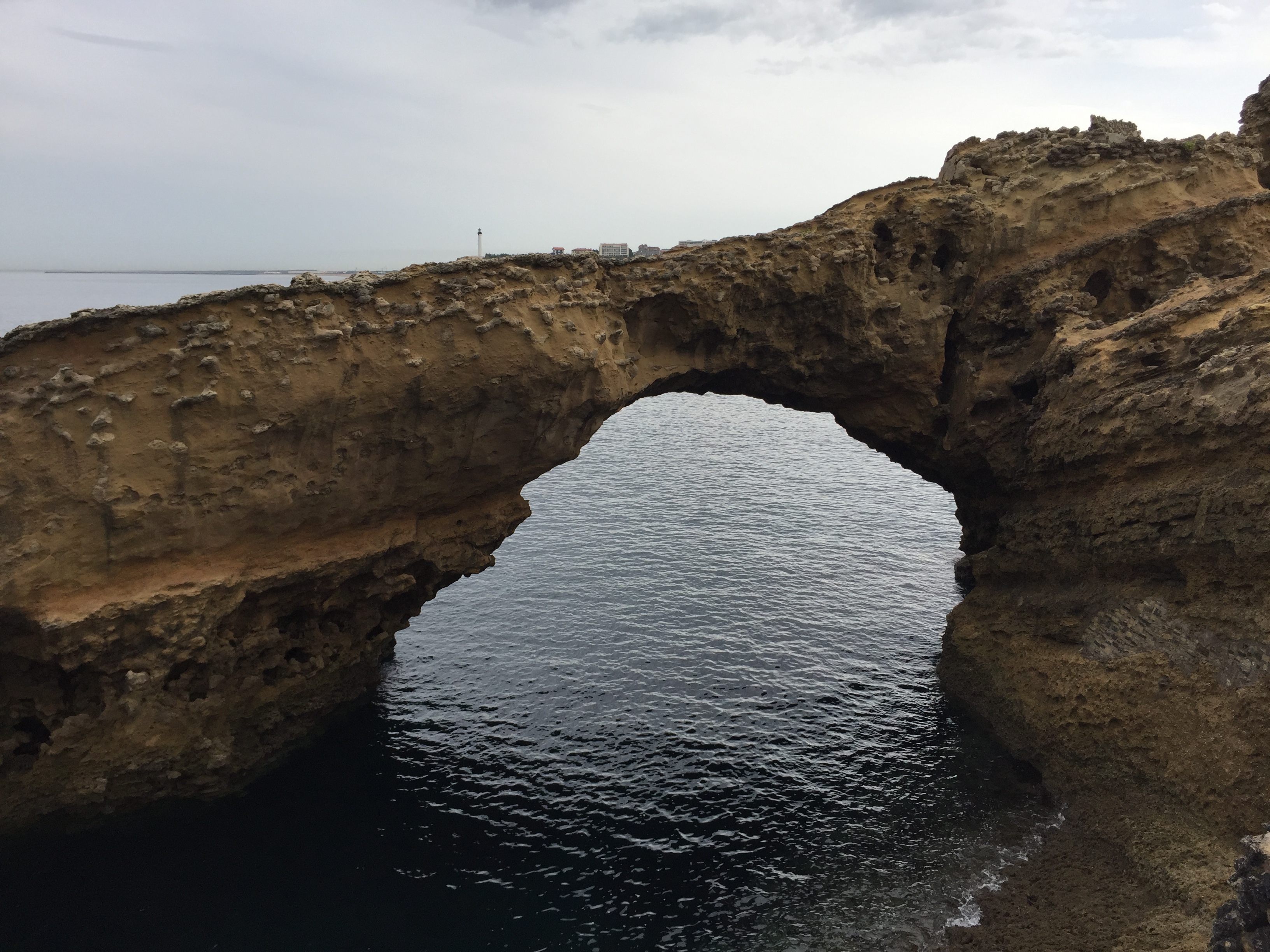
The day we went was warm and hazy, the water calm, though we had heard that the waves can splash as high as the footbridge on more stormy days.  Also, I think I may have found my dream house…

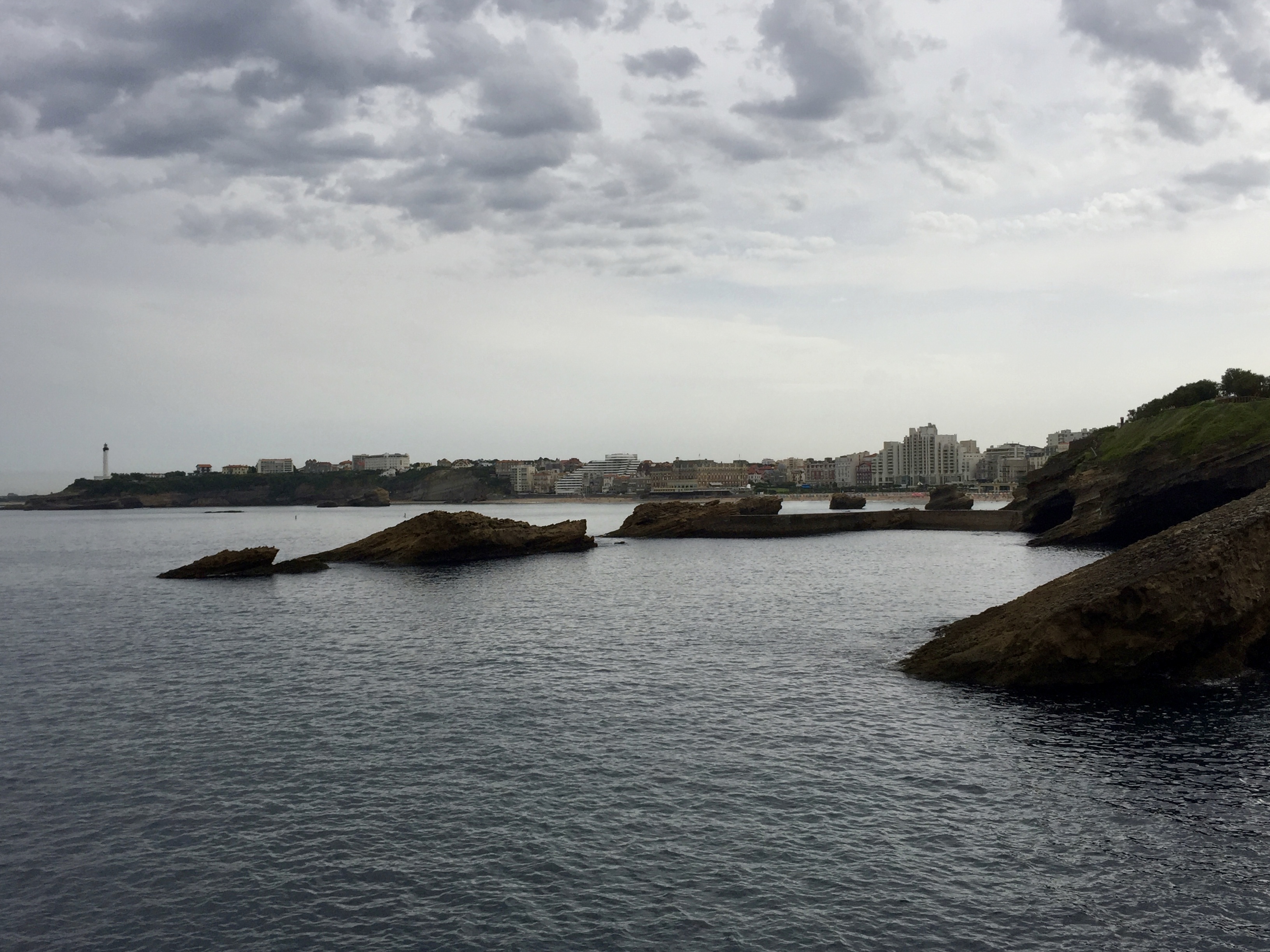
The Rocher De La Vierge is easily accessed via the coastal walk that runs along the main beach at Biarritz, past the Casino and town centre and leading to the excellent Aquarium. The views looking back are beautiful, as are those beyond, and the walk itself is quite gentle – I highly recommend it.
Thanks for coming on another Wednesday Wander with me – see you next time!


Enjoyed this post? Want to read more? Find me on Twitter @AuthorHelenJFacebook, Instagram and Pinterest. Plus my latest book release, Under Stone (Ambeth Chronicles #4), is now available on Amazon. Visit my Amazon Author Page to see more.


The Loss Of Touch In A Post-Covid World

I attended a funeral on Wednesday for a dear family friend, someone I’ve known my whole life. He didn’t die of Covid; rather, of old age and ill health and a broken heart. He did die alone, though, except for nursing staff, his friends and family unable to visit him in his final weeks. Still, we gathered to celebrate his life, one of colour and flamboyance and dancing to his own beat, unapologetic to the end.

In the UK we’re still under some restrictions due to the Covid outbreak (and I think they’ll increase again, sadly – we are not out of this yet). Therefore, only a dozen mourners were allowed at the funeral. His neighbours, though, lined the street as the hearse passed, and there was love aplenty to lift him to the next realm. When we reached the chapel, there were only a dozen chairs scattered around the large space, instead of the pews and crowds and whispered hum of a usual funeral. We each took a chair, pulling them into small family groups of two or three, all of us nodding and blowing kisses across the room. But there was no touching. No hugging or comforting or patting of arms. No shaking of hands or kissed cheeks. Afterwards, we sat in separate chairs in my parents’ back garden and toasted our lost friend, telling stories of his life as we ate from our own serving bowls, the food prepared using gloves and tongs and tiny dishes, rather than the usual free-for-all of big plates and togetherness.

It was very strange.

I couldn’t put my finger on what about it, exactly, was strange, until later in the day. And I realised it felt as though everyone was mad at me. There was no change in conversation, in how we talked and laughed and related to each other. But without the hugs and closeness and touches of everyday life, I felt, somehow, on the outer. And it made me realise not only how much the world has changed due to Covid, but also how important touch is as part of our human existence.

In ancient times, when humans lived in tribes, the community was how we protected ourselves, strength in numbers. To be exiled from the tribe was basically a death sentence. In medieval times, when prisoners were sent on the long journey to London and the tower, no one would talk to them or interact with them in any way, in case they be seen as sympathetic to their crimes. This is, in fact, the origin of the phrase ‘Sent to Coventry’, as Coventry was an important stop on the way to London. Closeness and acceptance within our own community is a sign that we’re part of something, that we’re included, not shunned. Yet now we cross the street to avoid getting too close to people, stand in the driveway and shout, rather than having close conversations. We have to do these things, of course, but I wonder what impact it is having on us as a society.

We communicate so many things through touch. The handshake, the hug, the pat on the back. The kiss on the cheek, on the hand, or the lips. Holding hands. Linking arms. The Maori hongi and the Inuit kunik, rubbing noses to express affection. We affirm our relationships, whether business or friendship or family or lover, through touch, and it is how we experience much of the world. So, as a species, to have touch taken away from us is a very strange thing.

I’ve been fortunate during this crisis to have both my husband and daughter at home with me. Hugs are not in short supply in our house. I can’t imagine how it must feel to be cut off, to be isolating alone, with no human touch at all. And I wonder at the long-term fallout of this, of the mental impact of going without such an important sense for so long. Even before Covid there was growing distance within our communities, people not knowing their neighbours, much of our lives lived online. Once we return to whatever normal will be when this is over, I wonder what will happen – whether we’ll continue to keep our distance, or perhaps make more of an effort to seek out human contact, rather than shut ourselves away.

I hope the latter is the case.


Enjoyed this post? Want to read more? Find me on Twitter @AuthorHelenJFacebook, Instagram and Pinterest. Plus my latest book release, Under Stone (Ambeth Chronicles #4), is now available on Amazon. Visit my Amazon Author Page to see more.

I’m Not Okay Right Now

I’ve been struggling this week to find the words to express how I feel about the murder of George Floyd, and the ensuing unrest in America. In the end, I decided it would be better to uplift someone else’s voice. This is from a lovely blogging friend of mine (and someone I hope to meet in person one day). ..

missraychanel84's avatarmissrachelchanel

This is how my weekend went:

Friday, I was bombarded on social media by videos about George Floyd, protests and riots, and police brutality. Seeing all of it triggered personal trauma that I’ve experienced. I didn’t sleep much Friday night. All I felt was grief.

Saturday, my family went out, but I stayed home. I needed to be to myself. I recouped.

Sunday, I took a writer’s class. It empowered me to use my voice. It reminded me that my voice is important, and that I have something to contribute. It also reminded me to speak my truth; those that love me will still love me.

Now, I’m ready to speak.

Although I talk about the serious things going on in my life personally, I try to steer away from current events and not talk so much about racism. Unfortunately, keeping quiet is what is perpetuating racism. I haven’t experienced…

View original post 817 more words

Vandalism…

I visited Doll Tor with Sue just last year, and it’s one of my favourite places I’ve been with her. Just a magical spot, now desecrated because of thoughtless vandals. I cannot understand the behaviour of people in this country at the moment, visiting our beautiful places and leaving rubbish and destruction behind…

Sue Vincent's avatarSue Vincent's Daily Echo

It was with sadness that I read of the damage once more sustained by Doll Tor in the last few days. The circle is a beautiful and secluded spot, hidden in a little wood and just far enough off the beaten track to ensure that its atmosphere of magic and mystery remains unbroken. Until the vandals come to play.

Doll Tor is not just a stone circle, it is a small ritual complex and part of a wider ritual landscape. It was built thousands of years ago in the Bronze Age… or perhaps even in the late Neolithic period. It is also a grave site, where those who were laid to rest within its care were sent onwards with dignity, reverence and gifts.

Many still visit and use the site with care and respect. We have explored its energies and effects in our own work and workshops… it is a…

View original post 388 more words

Wednesday Wander Revisited – Highgate Cemetery

Last week I reposted one of my Wednesday Wander posts, in response to the fact that any sort of non-essential travel still looks to be some time away for most of us. I’ve decided to keep going with it – it’s fun to imagine, to dream of being spirited away somewhere else, especially when things are so uncertain.

This week, I’m reposting my trip to Highgate Cemetery, London. Even though it’s written about a location close to where I live, it’s my most popular Wander post. To be fair, it is a rather spectacular place. I went with my mum for her birthday a couple of years ago and we both found it fascinating. The cemetery is divided into two halves – one is private and can only be visited with a guide, whereas the other half is open to the public. We visited both sides and, afterwards, took a wander into Highgate itself, where we happened upon a memorial to one of the cemeteries more recent (and sorely-missed) inhabitants…

It’s Wednesday, and it’s time to wander once more. This week I’m heading to a rather unusual attraction in London, a place one could describe as the ‘dead centre’ of town. This is Highgate Cemetery.

Up until the 1830’s, burial in London was a somewhat haphazard affair, with burial grounds crammed into small spaces, highly unsanitary in a large city with a growing population. In 1836, in response to the growing health crisis, Parliament passed an act creating the London Cemetery Company. Land was set aside to create seven new cemeteries, one of which was Highgate.

Opened in 1839, Highgate Cemetery was created after the acquisition of seventeen acres of private land, set on a steep hillside overlooking the city. Its elevated position encouraged the wealthy to invest, as did the effort expended on exotic formal planting and Gothic architecture. Burial rights were granted for either a limited period or in perpetuity, and the first burial there was of Elizabeth Jackson, aged 36.

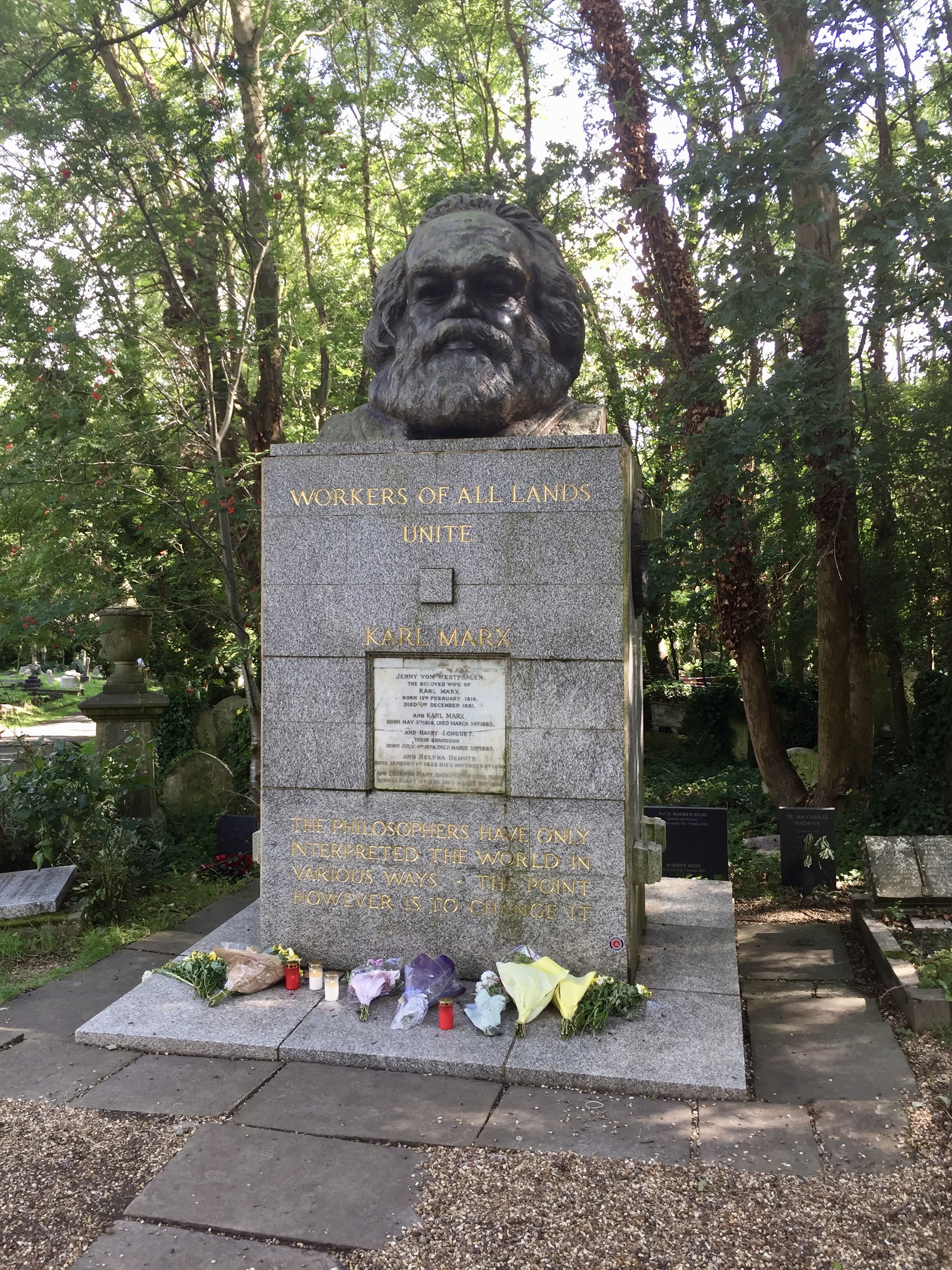
The cemetery became so popular that a second site across the road from the original, known as the East Cemetery, was opened in 1860. Many famous people chose to spend their eternity among the trees, including writers, musicians and political figures.

However, after the Second World War the cemetery’s fortunes began to wane and in 1960 the London Cemetery Company was declared bankrupt. The cemetery closed and its future was uncertain, with vandalism and desecration damaging some of the graves. In 1975 The Friends of Highgate Cemetery was formed, work began on repairing and restoring the cemetery, and it was opened to the public once more.

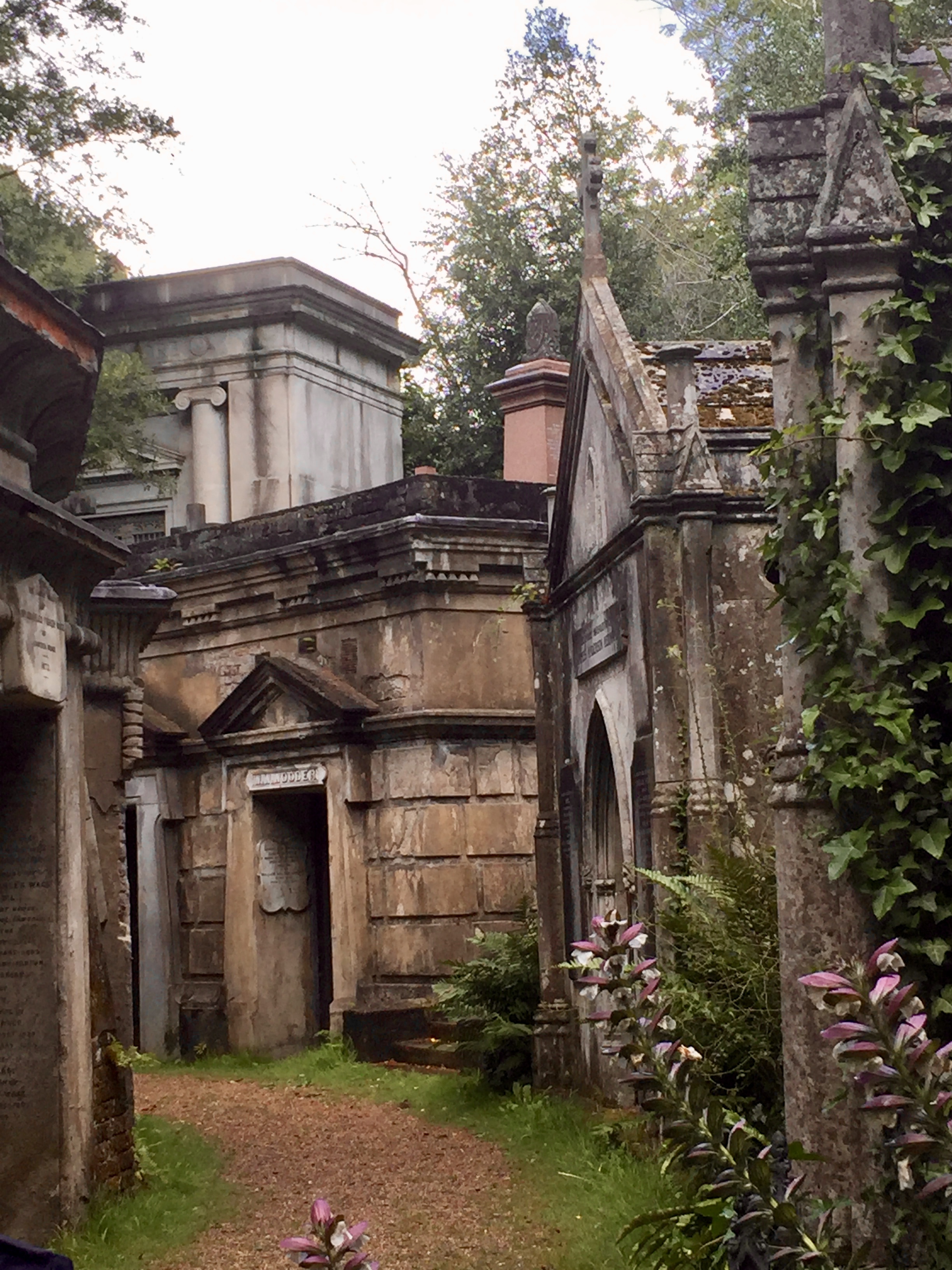
Nowadays you can take tours of the West Cemetery, wandering among the Victorian graves. I went this summer past, and could have spend literally hours there just reading the inscriptions, stories told of lives lived and families intertwined.

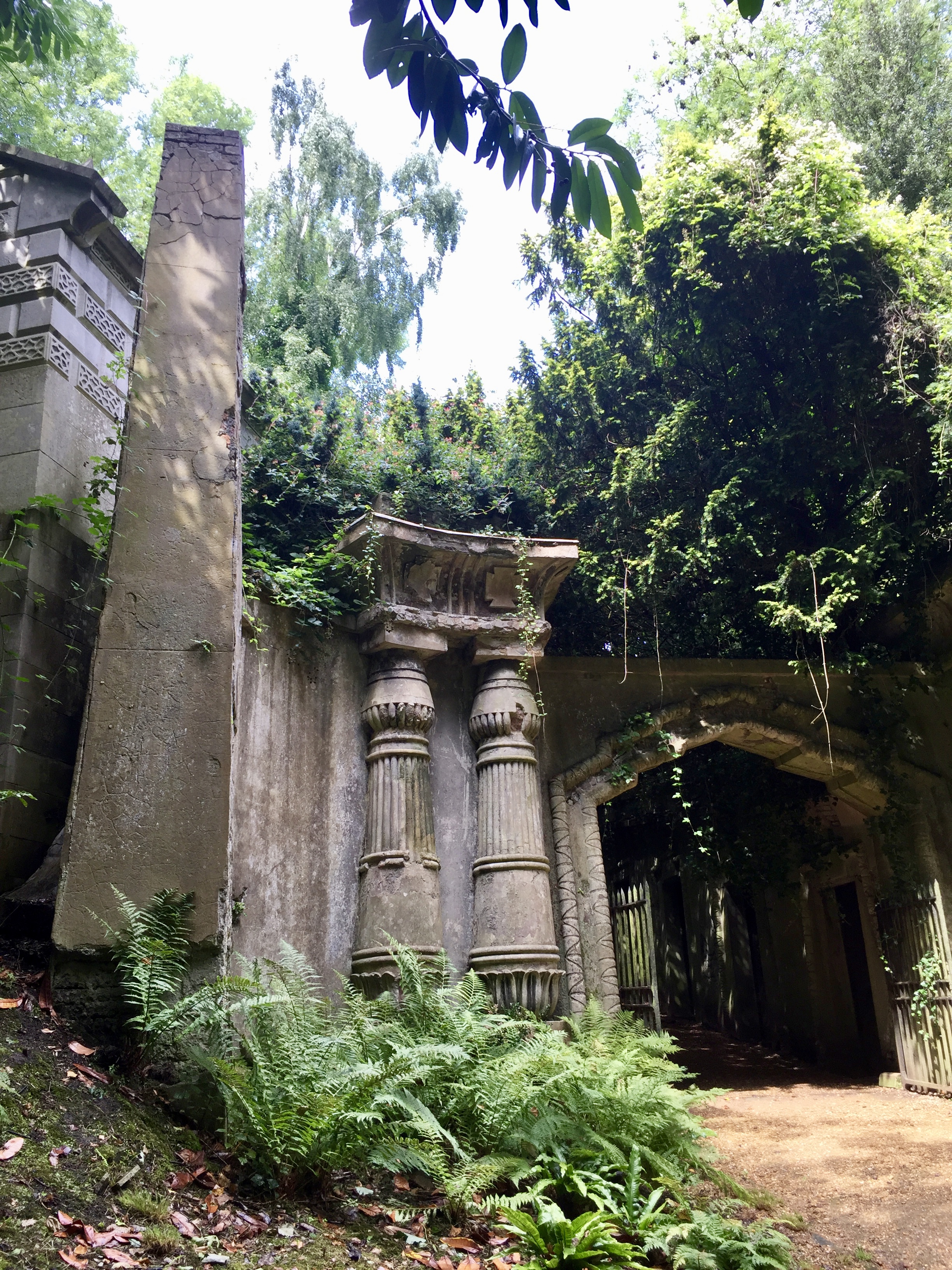
However, the West Cemetery can only be viewed by taking a tour, so we booked in and were taken around by an affable and entertaining volunteer, who clearly loved his job. The tour took just over an hour and included the Egyptian Avenue, a passageway containing sixteen vaults accessed by an imposing Egyptian style entrance.

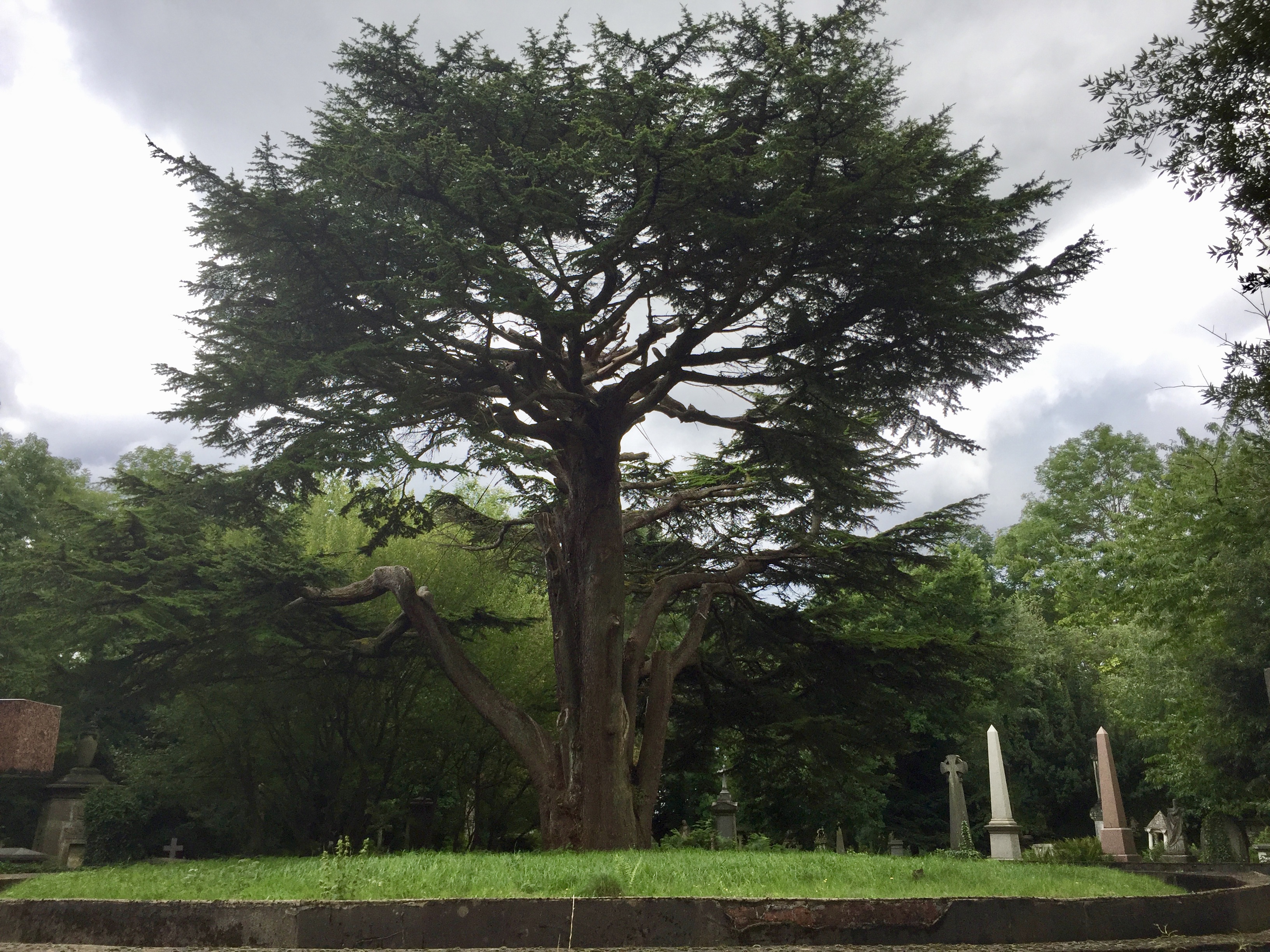
We also visited the Circle of Lebanon, a circular structure of thirty-two vaults created by excavating earth around an ancient Cedar of Lebanon, which had been planted when the grounds belonged to a private house.

The tree towers above the vaults and is a fantastic sight to see, testament to the imagination of the cemetery designers.

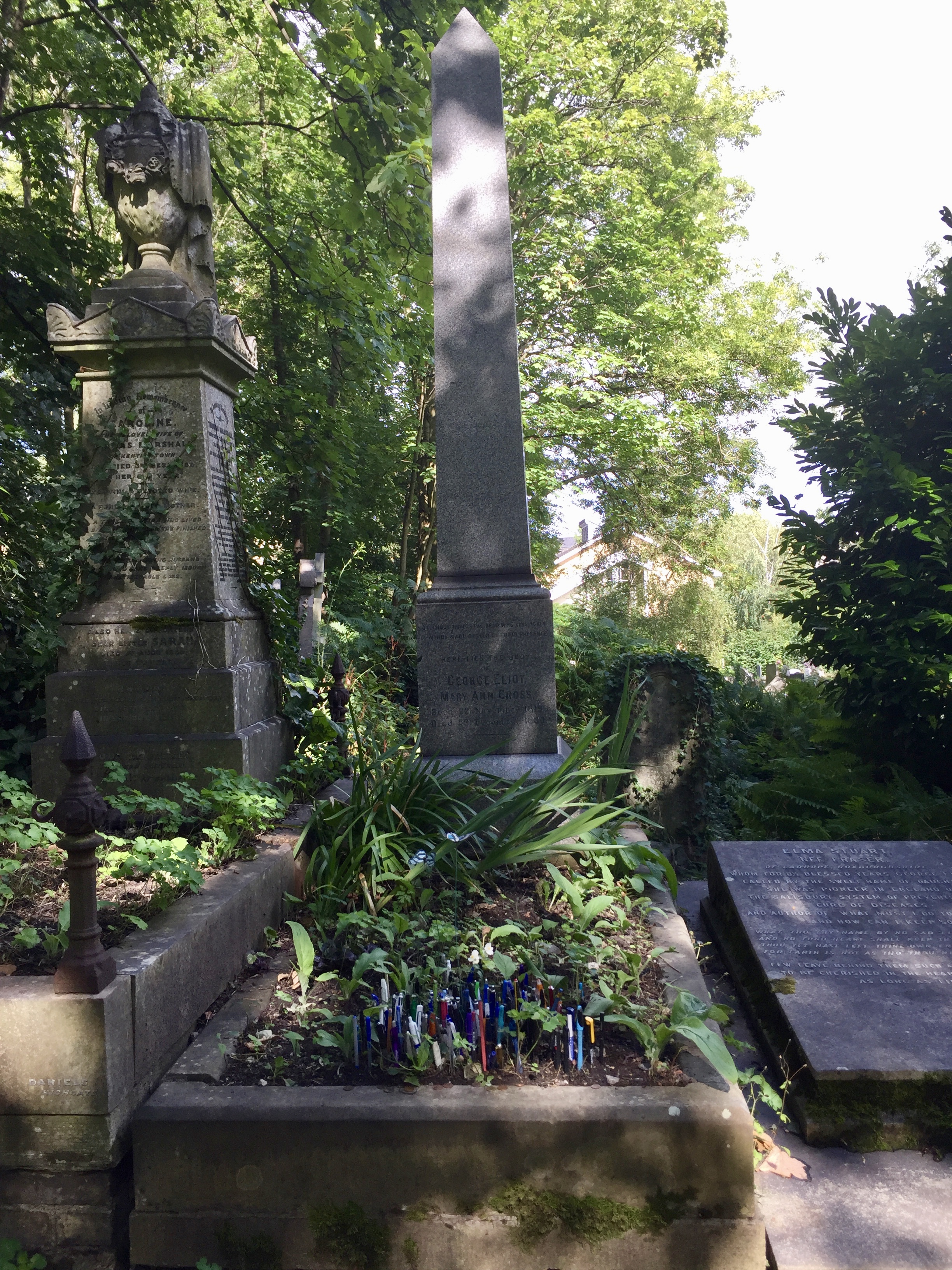
Once the tour was finished we went across to the East Cemetery, where you can, for a small entrance fee, wander freely among the graves. (If you take the tour of the West Cemetery, entrance to the East Cemetery is included). There are many famous names there, including George Eliot, Malcolm Maclaren and Douglas Adams. One of the fascinating things about the cemetery is the sheer creative range of funerary architecture, said to be some of the finest in the country. There are graves with faithful hounds, lions, movie reels and even a grand piano, all final statements of those they memorialise, set forever in stone. And each grave holds a story, a life lived.

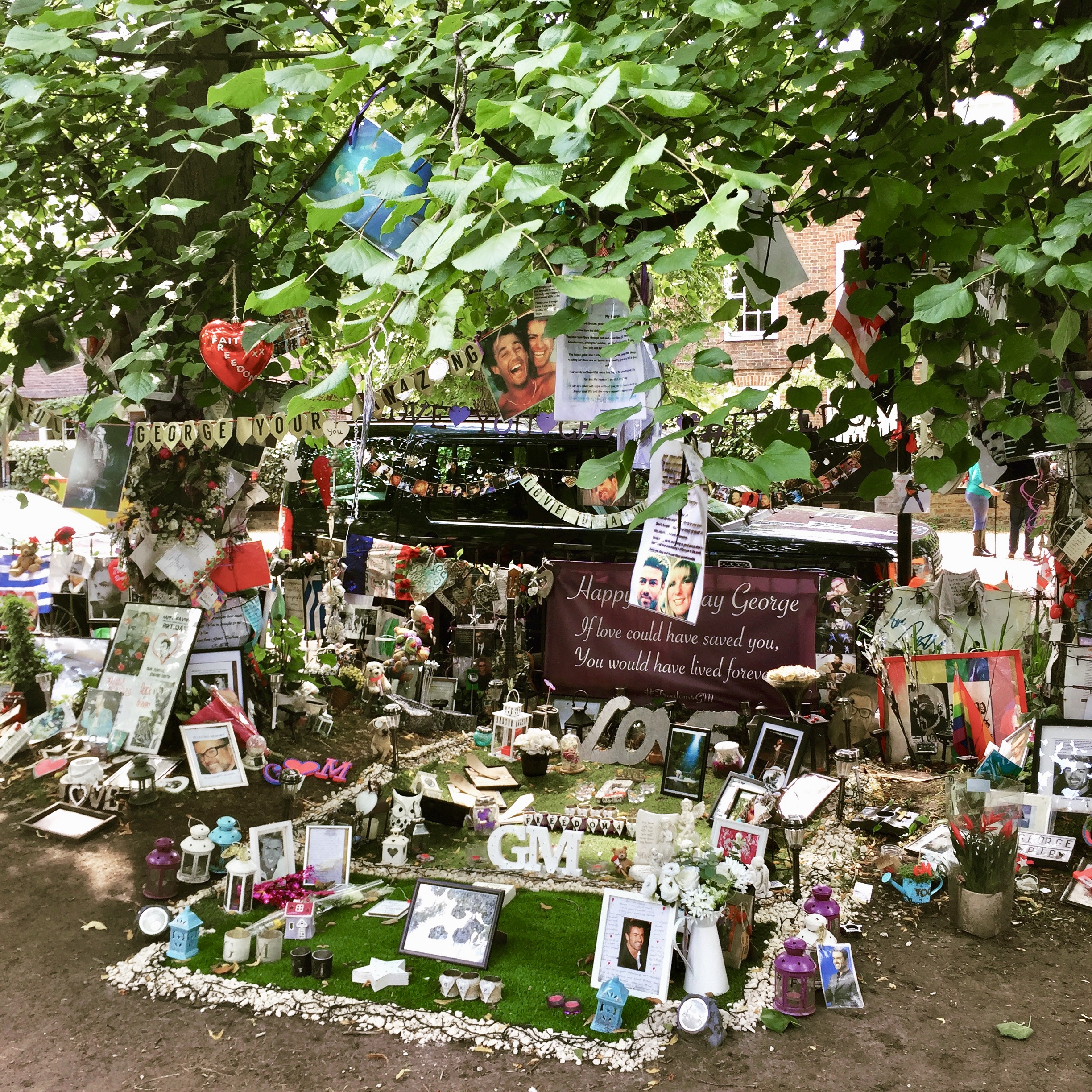
The cemetery now faces a new threat. Its romantic overgrown look is wonderful for photographs and meandering walks, but the trees and ivy that have sprung up on and around the tombstones are threatening to clog the cemetery entirely, blocking the once fantastic views of the city skyline and damaging some of the graves. There are discussions underway of how best to manage this without losing the atmosphere of the place. For Highgate is still a working cemetery, and burials still take place there. One of the more recent high profile ones is that of the late, wonderful George Michael, who lived only a short walk away. After our tour we ventured up into Highgate village and stood in front of his house, marvelling at the makeshift memorial that had sprung up to the much-loved singer after his untimely death. The photo below is only a fraction of what’s there – as his grave is in a private part of the cemetery, it was to his house that fans came to pay their last respects.

I realise we are only a day out from Halloween, and so perhaps this was an appropriate wander for this week. However, Highgate is not a spooky place – at least, not during the daytime. It is atmospheric, a little melancholy, and certainly peaceful – I enjoyed my visit there immensely.

Thanks for coming on another Wednesday Wander with me – see you next time!

As it turned out, I’d taken so many photos on this trip I had to run a second post – you can find it here…


If you enjoyed this post and would like to read more, you can find me on Twitter @AuthorHelenJFacebook, Instagram and Pinterest. Plus my latest book release, A Thousand Rooms, is now available on Amazon. Visit my Amazon Author Page to see more.

Wednesday Wander Revisited – A Trip To Dragonstone, Part 1

When I was about a year into blogging I started a regular feature called a Wednesday Wander, where I’d write a post about somewhere I’d been (I’ve travelled a bit), share photos, a bit of local knowledge and my own insight into the place. I had to stop doing them, eventually – not due to running out of places, but because other things came up in my life and they were feeling like a bit of a chore. However, they remain some of my most popular posts, and I’m so happy that people enjoyed them 🙂

Now we can’t go anywhere, for the most part, locked into our cities and towns and villages, dreaming of holidays past. In that spirit, I thought I might revive a few of my old Wanders so we can all travel again, albeit virtually for now. I’ve chosen Dragonstone, aka Itzurun Beach in Zumaia, Spain, as my first location – we’re just over a year out from the (disappointing) finale to one of the most popular television shows in history, so it seemed appropriate. However, even if you’re not a fan, sit back, feel the sunshine, and enjoy the wander…

(…and if you want to do a bit more armchair travelling, check out my other Wanders – there are over 100 of them!)

I’ve recently been away, doing a spot of wandering in Basque country. I am a big Game of Thrones fan and so, when I found out that two of the locations used for the show were not too far from where I was staying, I decided to take a look (and dragged the family along with me).

If you’re not a Game of Thrones fan, don’t worry! These locations are spectacular in their own right, and interesting even without their link to the most popular show in the world.

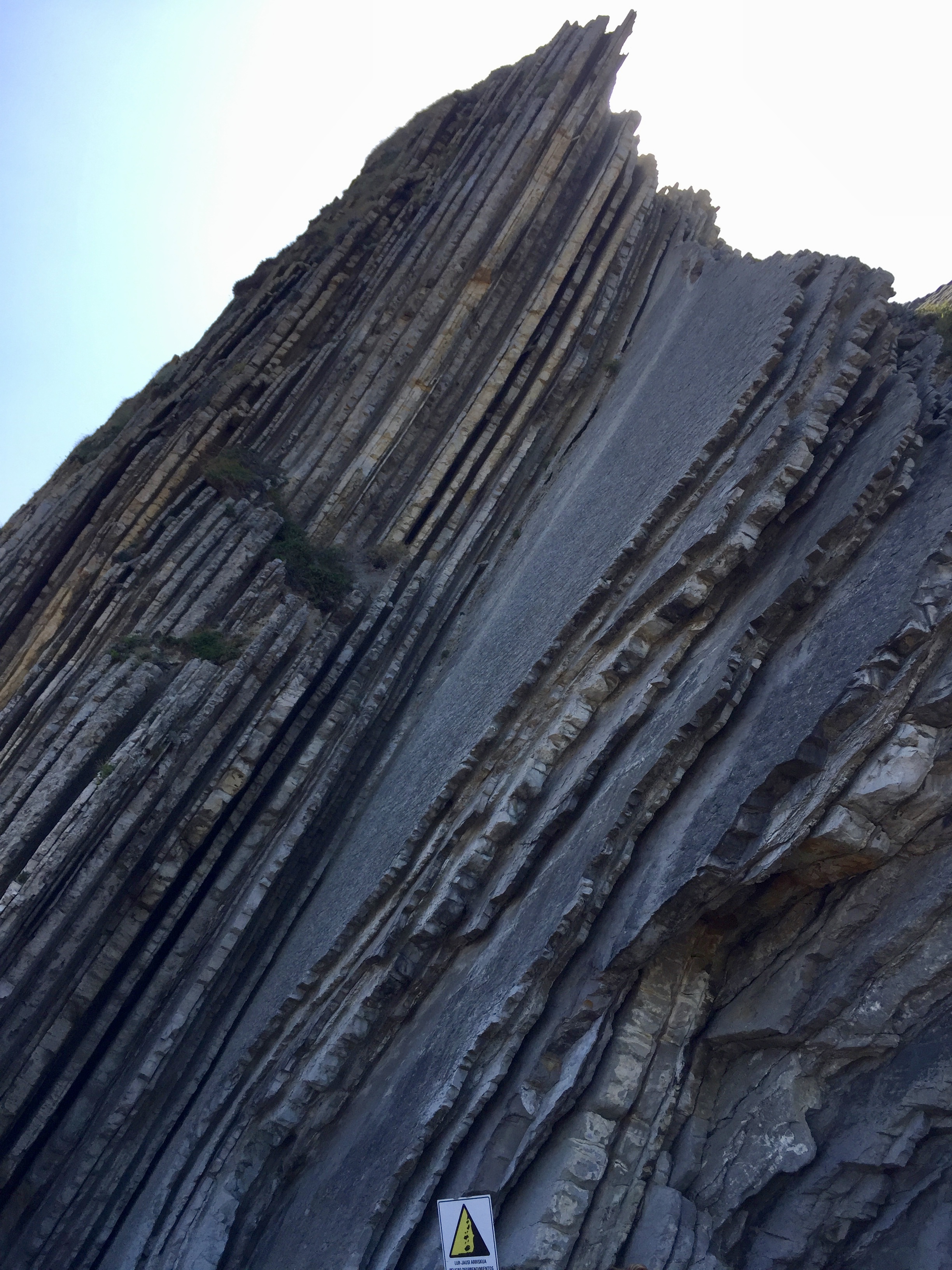
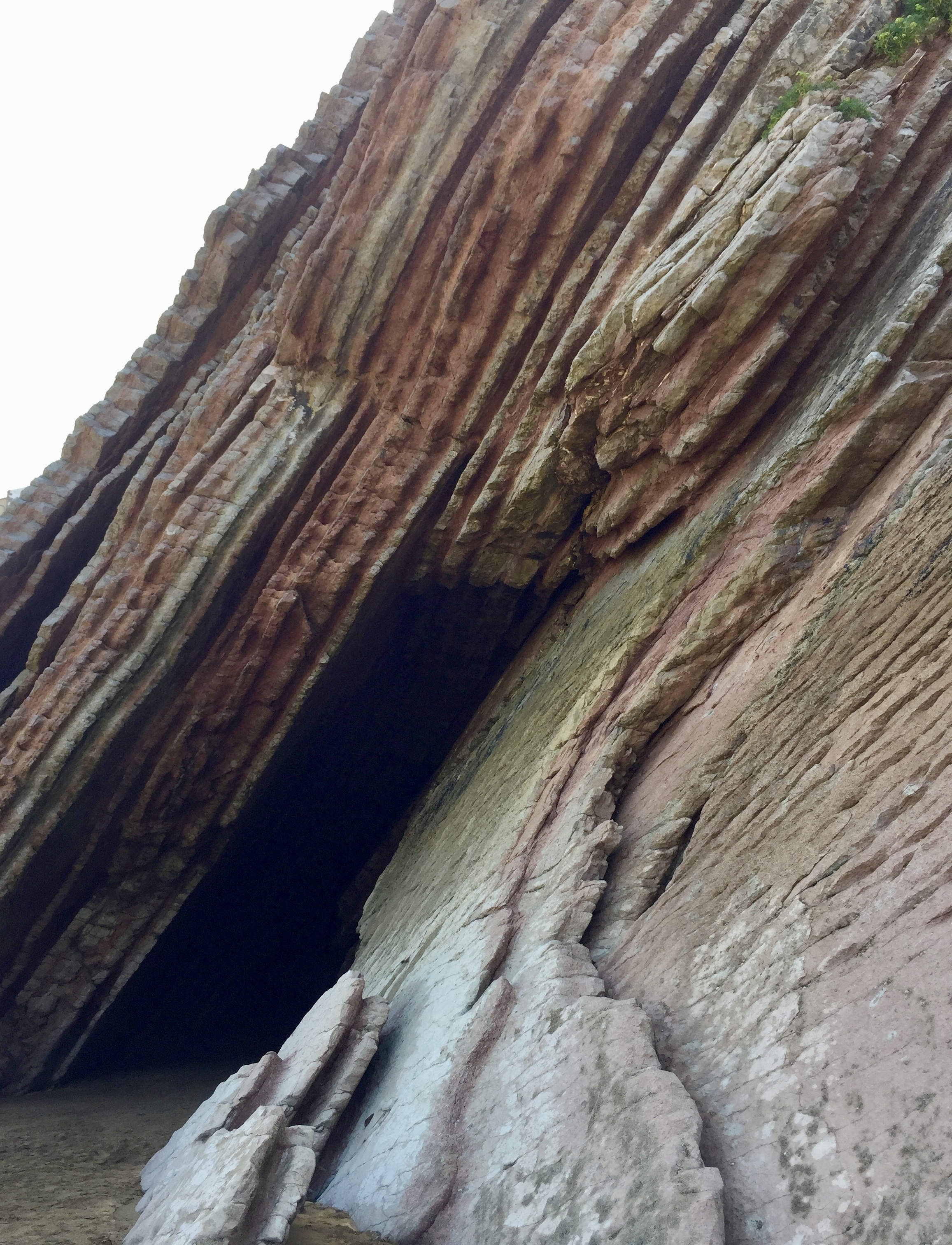
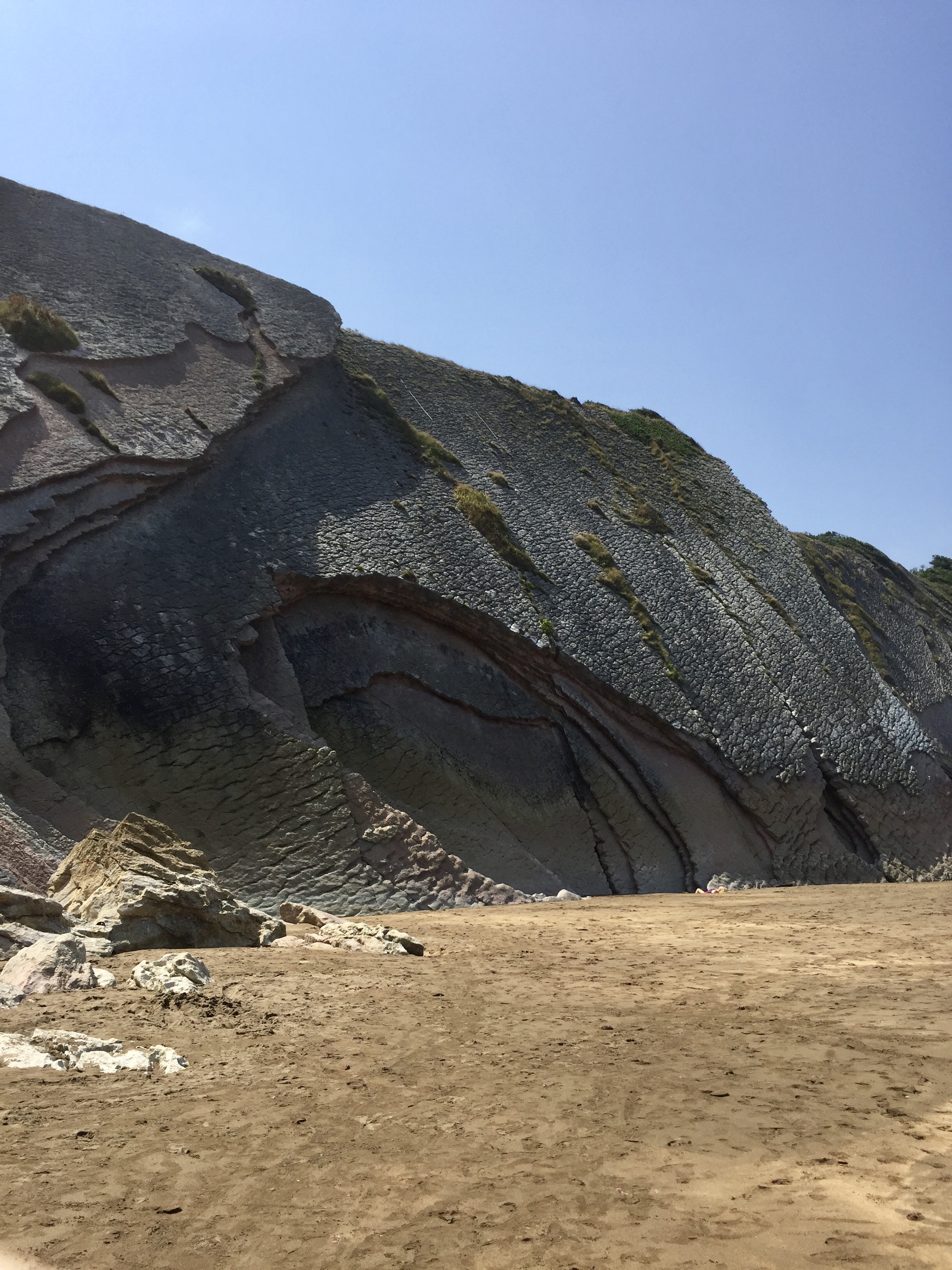
So, this week I am wandering to Dragonstone, otherwise known as Itzurun Beach, Zumaia. (Yes, I did go to the second location as well, but that will be in another post). Located on the rugged north coast of Spain, Itzurun Beach is notable for its spectacular geological formations, as it is part of the longest continuous rock strata in the world. The beautiful layered rock formations are known as ‘flysch’ cliffs, and are completely spectacular.

Zumaia is a lovely town, the streets lined with lowrise apartments. There is also an ancient fortified church, part of the original monastery that founded the town in the 1200s. Itzurun beach is a short walk from the town centre, along a walkway shaded by trees and a stone archway.

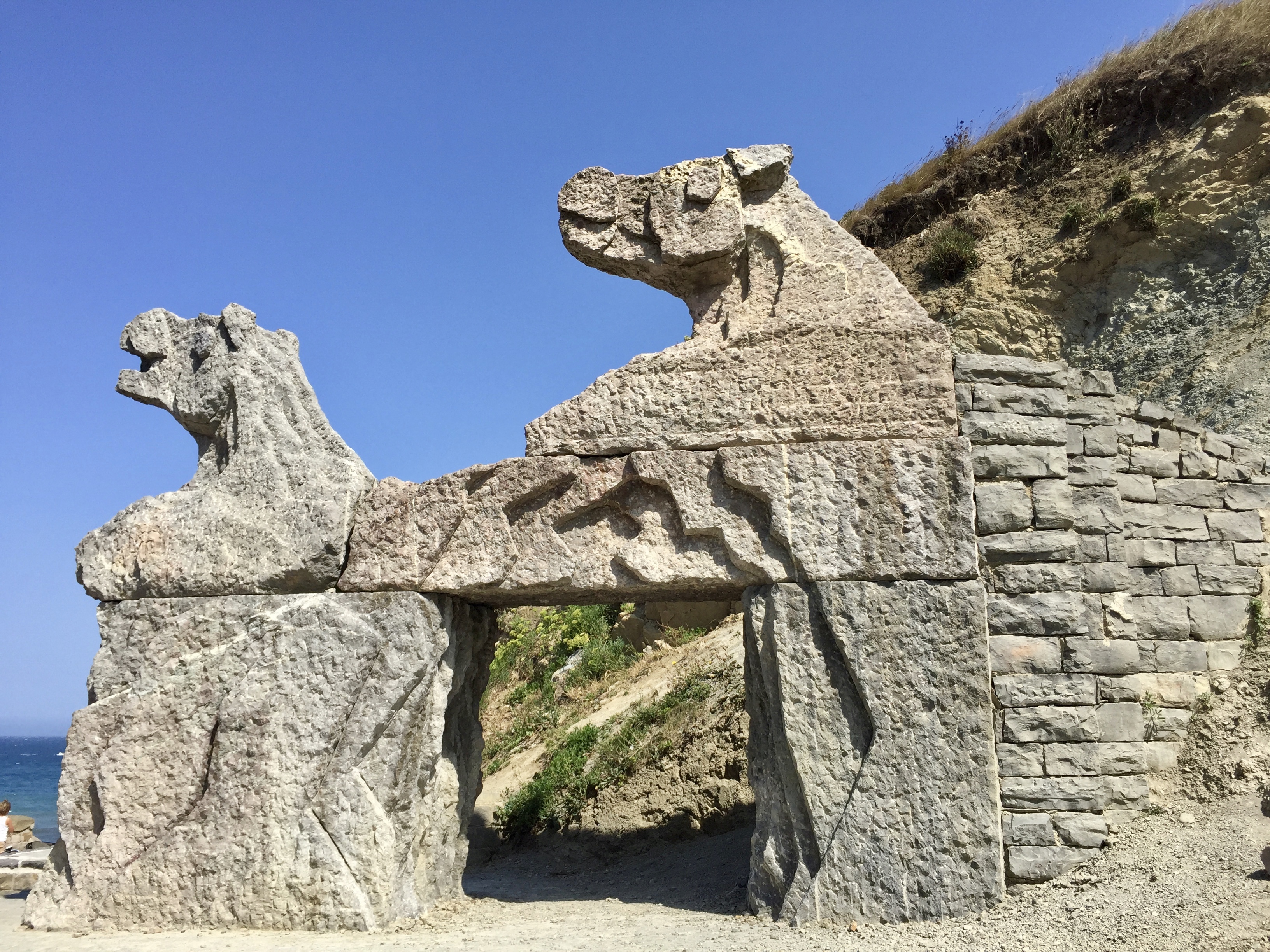
As you reach the steps leading down to the beach (also used in the show), you are greeted by a statue of two lions… or are they dragons?

The beach itself is no secret – the day was hot and sunny day when we visited and it was packed, the restaurant overlooking the water heaving with diners, the sand covered in towels and blankets and sunbathers. I tried my best to get shots without people in them, but it was difficult at times.

However, Game of Thrones fans will definitely recognise the cliff face and cave entrance, as well as this interior shot of the cave where they filmed Jon and Danaerys walking back to the light after visiting the Dragonglass mines. The iconic shape of the cliffs that surround Dragonstone itself are there too, though with a hotel at the top instead of a castle of stone.

And so what was it like to wander in the footsteps of the Targaryens? The rocks were beautiful, the layers of colour and rippling shapes like nothing I’ve seen. A young woman in a long black dress with flowing silver grey hair posed at the entrance to one cave, counterpoint to the many bikini-clad beach goers. Nearby a small child screamed, and I heard the flap of fabric as a towel was shaken out… or was it wings? Overhead sea birds soared, the waves crashing on the ancient stones, wind blowing cooler from the North as the tide came in.

Just to give you an idea of the scale of the cliffs and cave entrance

We spent a couple of hours there, playing in the waves, wandering around the rock formations and lying in the sun. As we left, we headed up the stark grey steps used as the entrance to Dragonstone on the show and I could see why the location was so appealing, so much that they needed to create the magic of Dragonstone already in place.

Thank you for coming on another Wednesday Wander with me – see you next time!

(And next time won’t be too far away – I’m hoping to post about San Juan de Gatzelugtxe, otherwise known as the second location for Dragonstone, before the end of the week.)


If you enjoyed this post and would like to read more, you can find me on Twitter @AuthorHelenJFacebook, Instagram and Pinterest. Plus my latest book release, A Thousand Rooms, is now available on Amazon. Visit my Amazon Author Page to see more.

A Tangled Path – Where Do We Go From Here?

As we move through these strange times, I suppose we each have our way of dealing with what’s going on. While we are linked on one level by the shared experience of lockdown, each of us has our own set of circumstances to deal with in how we find our way forward.

I found it difficult to focus the first few weeks of lockdown. Perhaps I was tapping into a larger, more generalised global anxiety, or simply finding the constant stream of news upsetting – or perhaps a mix of both. Whatever the case, I couldn’t do much writing, only able to sit for ten or fifteen minutes at a time. I concentrated on short stories, working on some I already had, improving them for competition entries. Otherwise, I busied myself around the house, doing laundry, cleaning, tidying, baking, working out how to get food for myself and my family, cooking, clearing out cupboards… you get the idea.

And walking. Each day, the dog and I would head out for our state-sponsored walk, and I’d try and let my mind go free as well, releasing anxiety. It helped, a little.

Then April began and, with it, a commitment I’d made to do Camp NanoWrimo with a group of likeminded writers. It wasn’t our first time in the cabin together, and it was a welcome change of focus. It also forced me to write. My goal was 20k words, a big chunk of the first draft of a new middle-grade novel I was working on.

And I did it. I reached my goal with days to spare, the satisfaction at seeing my word count creep up, day by day, sometimes by only a couple of hundred words, keeping me going. As did the group I was in. All of us had goals to achieve, and each of us, though we lived in different countries, were dealing with lockdown and the impact of the pandemic. It was nice to check in and see how they were doing, to congratulate each other with every badge achieved. And it got me writing again.

Now it’s May, and lockdown continues, though things are beginning to ease. I do think this will be the shape of things for a bit longer yet, though, until a vaccine is developed. What was strange has almost become normal, now – it’s interesting how quickly we adapt to changes in circumstances. It seems normal now to go to the supermarket and see hardly anyone in there, to see empty shelves, to wave hello at people from across the road but go no closer. Even though I live on the very edge of London, close to the busiest airport in the world and two major motorways, when I go out for my walks, most days, all I hear is birdsong. The skies are clear, the hedges filled with butterflies and buzzing bees as large as my thumb. There seem to be more flowers than I remember seeing, too.

I wonder what the world will be like when we come out of the other side? I wonder whether there will be lessons learned, not only about the way we treat the other creatures with whom we share the planet, and their habitats, but also the other lessons. About how people who actually keep the world going are often paid less than anyone else. About how much we pollute, simply by living our lives – the pictures of clear skies in India, of cities seeing the Himalayas for the first time in years, are proof of how quickly things can change when we change our behaviour. And what about corporate culture? Big expensive offices may become a thing of the past, as many companies have realised they can still run with people working from home. Why pay for someone to have a desk in an office when they can do the same work from the comfort of their home?

There will be divorces and babies and love stories and breakups. There will be people taking leaps, trying something new. There will be business failures, and success stories. In twenty years’ time, our children and grandchildren will be learning about The Great Pandemic in school. But what their world looks like depends on how we rebuild this one. Which path we choose.

Hope you’re all staying safe and well – let me know how things have been for you in this strange time xx

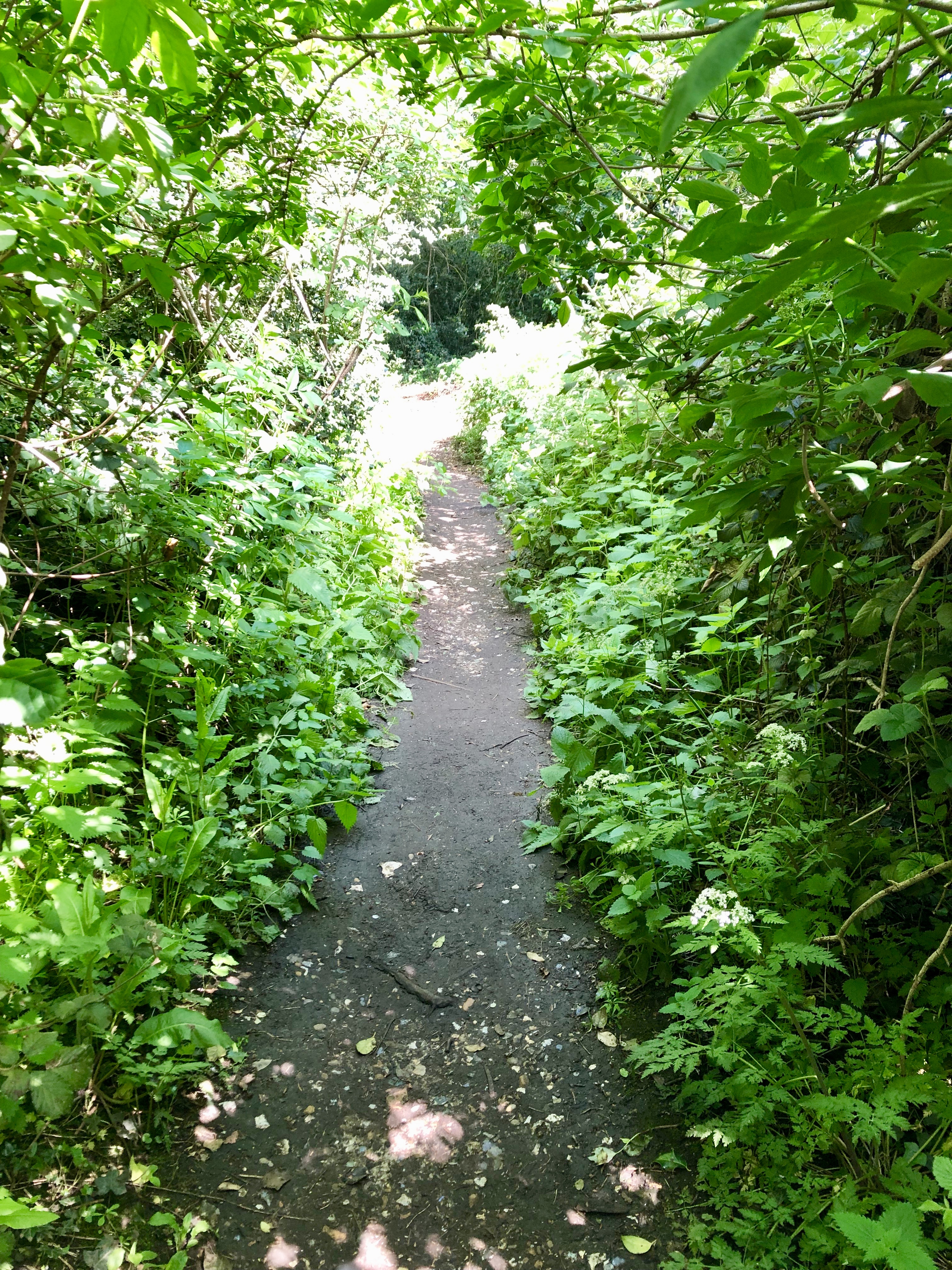
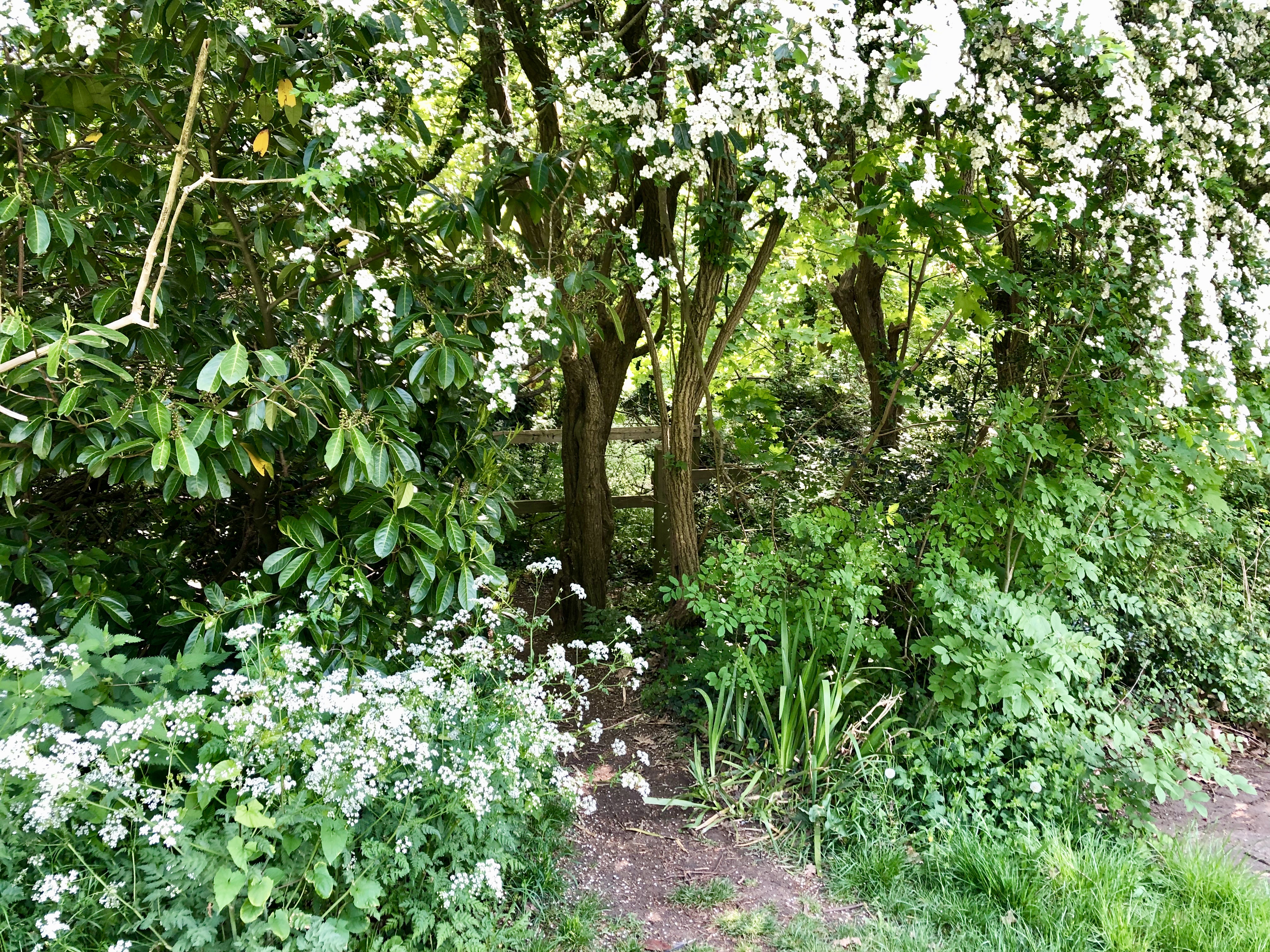
(Photos from a recent dog walk – thank goodness for the lovely weather we’ve been having!)


Enjoyed this post? Want to read more? Find me on Twitter @AuthorHelenJFacebook, Instagram and Pinterest. Plus my latest book release, Under Stone (Ambeth Chronicles #4), is now available on Amazon. Visit my Amazon Author Page to see more.

Choosing the future

Food for thought from the always wonderful Sue Vincent…

Sue Vincent's avatarThe Silent Eye

A few months ago, with what now appears to be an uncanny and uncomfortable prescience, we began a workshop in the Derbyshire village of Eyam. The village is one of those pretty places of old stone and cottage gardens… but it is best known for its response to the outbreak of bubonic plague in 1665.

The plague arrived in the village from London in a bale of flea-infested cloth and swiftly infected the tailor who had ordered it and his assistant, killing them both. This was at the time of the Great Plague of London… the last time bubonic plague reached epidemic proportions in England and during what is now known as the Second Pandemic. The pandemic had begun in China in 1331, with devastating global effects in the days before modern medicine, killing hundreds of millions over the centuries of its periodic resurgences. The Great Plague of London killed…

View original post 1,062 more words

Strange Days

It’s been a rather bizarre month, hasn’t it?

I know that’s a wild understatement, and that there are very many people out there struggling with awful things at this time, so I don’t in any way mean to make light of the situation in which we find ourselves.

I’m an anxious person, and also someone who picks up the emotion of those around me, so I’m finding it difficult to write at the moment. My husband and I are both self-employed, too – while we’re okay for now, it’s on my mind. I have a first draft of one book completed, plus a fully plotted second book, and a third book which is about half-written. They’re all waiting for me, and I can hear them calling, but when I sit down to write claws of uncertainty grab at me, taking my focus so I have to step away again, telling them I’m sorry. I know this will pass, and the words will come again, but for now I’m trying to be kind to myself. I’ve baked bread and caught up on the ironing and tidied out a cupboard that needed to be tidied out, and maybe I’ve watched a bit too much Star Trek, but we all have to find our own way to keep going.

Anyway, enough about that.

While I do write about books and writing-related stuff, this blog has always been about positivity and in finding the silver lining in things, even when things aren’t so great. So I’m working hard to find the positives in this, the things that I’m grateful for.

I know I’m fortunate to have a comfortable home in which to isolate, and the love and support of family. Fortunate that the weather is good and, when I go out to walk the dog, people still exchange greetings (from a distance, of course). Fortunate that we’re all staying well at the moment. Fortunate to have time to address all those little tasks that hang around and never seem to get done – no excuses, now!

It’s the small joys, too. The joy of sitting outside in the sun in the morning, drinking hot tea. Of new frogspawn in the garden pond (nothing grand, just a bucket set into the ground), and the red kites that ride the updrafts, reminder that life goes on. There are bluebells coming through, blue elf-spears poking out of the earth, and the fruit trees are starting to sprout, a promise of blossom and fruit to come.

I know there are many people who are not in comfortable situations, and many other people who are doing wonderful things to help out. This is an event unprecedented on a global scale, and so, in all the fear and worry, I try to find stories about people who are doing good, like the small boy who spent his pocket money on loo roll for his elderly neighbours, or the refugee family who left food on the porch of the self-isolating family who had sponsored them. These are the bright lights against the darkness, and a reminder of who we can be, if we choose to be our best selves. I’m trying to do my bit as well, and know there are many in my local community who are keeping an eye out for others who might need help, and that’s heartening.

To be honest, I wonder whether I’ve had the virus already. As you know, I’ve been ill since the beginning of December, and was finally starting to feel good mid-February. However, at the end of the month I had a sore throat, which developed into a cough (though it seemed a continuation of the one that had plagued me for months), and left me feeling very tired. Then my breath started to go and on March 3 I woke in the night burning up and unable to breathe to the point where I had to wake up my husband. I’ve had very bad pneumonia before, but I’ve never, ever felt like that, where my chest was so full and heavy I couldn’t take a full breath or stop coughing. Eventually I fell asleep, waking drenched in sweat. The fever abated but the breathing difficulties stayed with me for a couple of weeks, only really getting better in the last few days. I also lost my sense of smell and taste – once again that’s only just returning to normal.

I suppose I’ll never know, which is fine. We are still isolating, just like everyone else. But I’m still here. I hope you all are, too.

Stay safe and well, everyone – we’ll get through this together.

xx


Enjoyed this post? Want to read more? Find me on Twitter @AuthorHelenJFacebook, Instagram and Pinterest. Plus my latest book release, Under Stone (Ambeth Chronicles #4), is now available on Amazon. Visit my Amazon Author Page to see more.


Just Magic

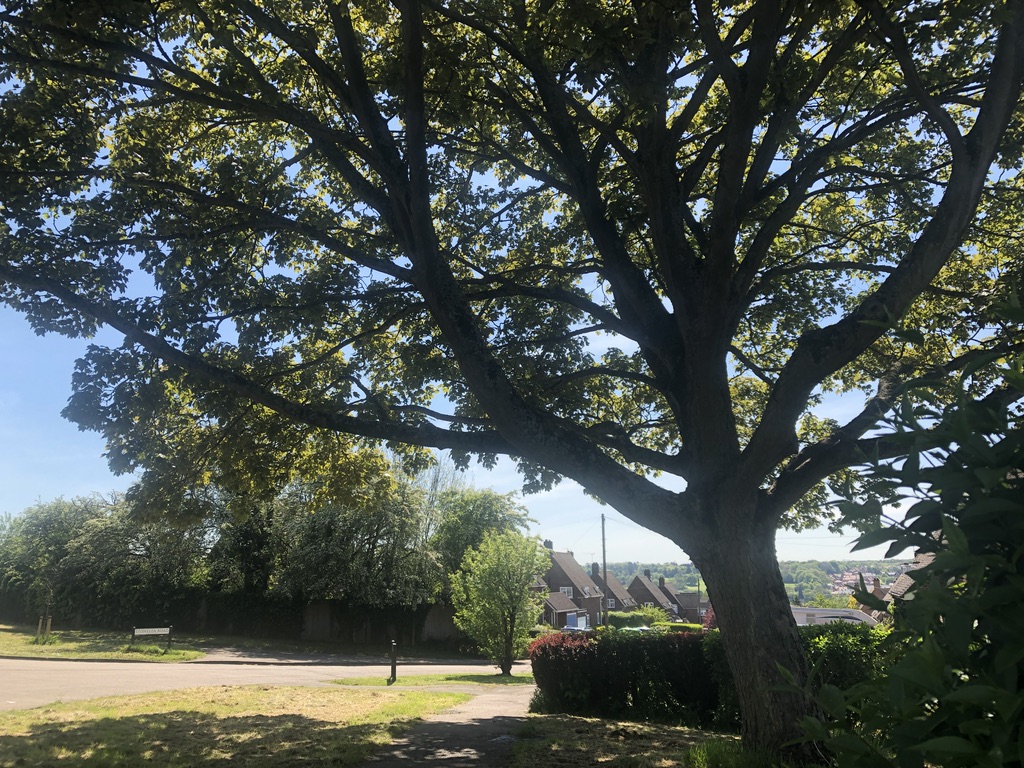
The other day I visited the Magic Faraway Tree. It was deserted, which seemed strange for a portal to another world. But then perhaps that’s because it’s only a portal for my daughter and I.

She decided the tree was magic several years ago, when she was still young enough to need walking to school, to hold my hand on the way and count cats and pretend to be dragons, puffing out smoke in the frosty air.

The tree stands at the top of a hill, looking out across the valley and beyond, across rooftops that wouldn’t have been there when it was a sapling. Now it’s tall and stately, branches spreading to shade us during summer and create sky patterns during winter. It’s one of several trees we used to pass on our morning walk, yet the only one that became a Faraway Tree, home to fairies and dryads and dancing sprites, my daughter so enchanted by Enid Blyton’s stories that to this day she hasn’t finished the final book in the series.

We would often bring things to leave for the fairies, tucking them into the bark or among the roots. A patterned leaf or delicate flower, an interesting stone or shiny coin picked up on our journey. Once, an elderly gentleman offered us a piece of sea glass from his pocket, green and rubbed smooth by the waves. He’d carried it for a long time, he said with a smile, but thought that the fairies might like it. My daughter, thrilled and grateful, agreed, placing it in a special spot at the base of the trunk, cushioned by moss.

The moss is still there, velvet soft and deep green, but our gifts are gone. I hope the fairies liked them. There is magic still there, too. The magic of memory. The magic of joy.

Just magic.


Enjoyed this post? Want to read more? Find me on Twitter @AuthorHelenJFacebook, Instagram and Pinterest. Plus my latest book release, Under Stone (Ambeth Chronicles #4), is now available on Amazon. Visit my Amazon Author Page to see more.