Thank You

It’s evening. The time of day when I’m usually working (other than during the day, when I’m at work). Working, over the past few months, has been editing and formatting and writing, leaving not much time for blog posts or visiting around. I did write a short post the day before yesterday, with some updates on things I’ve been doing, and as soon as I did so comments appeared, people wishing me well, smiles from across the blogosphere travelling to my little space.

I love this blogging community, I honestly do. Blogging has, without exaggeration, changed my life. When I wrote my first post, about three and a half years ago, I had no idea of the journey I was beginning.

I called this blog Journey to Ambeth because it was going to be about writing. All about writing. About me writing books, about the things I learned about writing along the way. But, like so much in life, it has grown and changed into something more, encompassing travel and short stories and ideas and dreams, a space where I can express myself however I choose to do so.

But the biggest thing, the absolute best thing about blogging, has been the people I’ve met along the way. People from across the globe, many of whom I’ve now met in person. Others with whom I’ve had only virtual conversations, yet I know that, when I meet them, it will be like seeing an old friend. I’ve NaNo-d with them, celebrated new releases and publishing deals and life’s milestones, tramped hillsides and stone circles, blogged and bashed and learnt so much, experienced incredible generosity and kindness. I’ve made friends for life, friends I would probably never have met if it wasn’t for writing those first few words.

And I am grateful every day for it. So I just wanted to say thank you 🙂

———————————————————————————————-

If you enjoyed this post and would like to read more, you can find me on Twitter @AuthorHelenJFacebook, Instagram and Pinterest. Plus my latest book release, A Thousand Rooms, is now available on Amazon. Visit my Amazon Author Page to see more.

Autumn Leaves and Winter Work

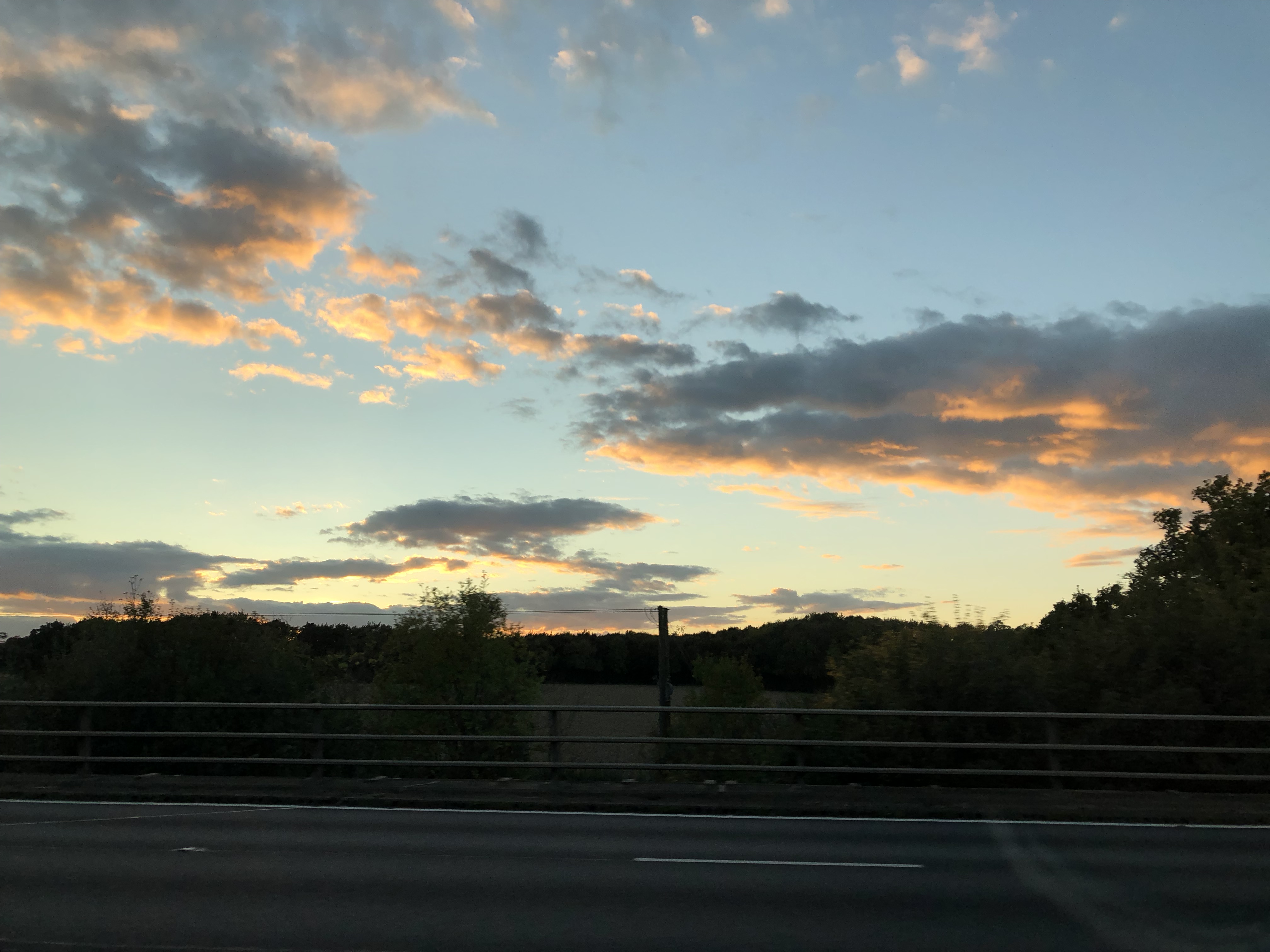
It’s Sunday evening. The sky is washed with eggshell shades fading to blue, my cheeks still tingling from being outside. The working week awaits… and yet, the working weekend has just finished.

I’m currently deep into the final edit and formatting of Under Stone, book four in my Ambeth series, with a view to publishing very soon. This last push has been accompanied by lining up some associated promotion and deals, so it’s been a very busy time of late (which has made me a not-very-good blogger at the moment).

That being said, you may have also noticed a couple of new things on my blog. One is the mailing list sign-up. If you do sign up, I promise not to inundate you. Rather, I’ll just send through a newsletter once in a while with publishing updates, sneak peeks at upcoming books, the occasional competition and a few other goodies.

The other new thing is a shiny badge proclaming me a member of the 2018 Bloggers Bash Committee. I agreed (was talked into) joining the committee at this year’s Bash, and I’m enjoying being part of the team! Watch this space (and my newsletter) for news about next year’s event.

And now it’s back to formatting once more. The sky is now dark, the nights drawing in early. I don’t mind though – autumn, and the lead up to Christmas, are my favourite times of the year. I love the cold air and crisp leaves underfoot, the sparkle of lights and Christmas songs, good food and warm jumpers, Halloween treats and Bonfire night.

Wishing you all a good week, wherever you are! 🙂

xx


Wednesday Wander – San Sebastian Old Town

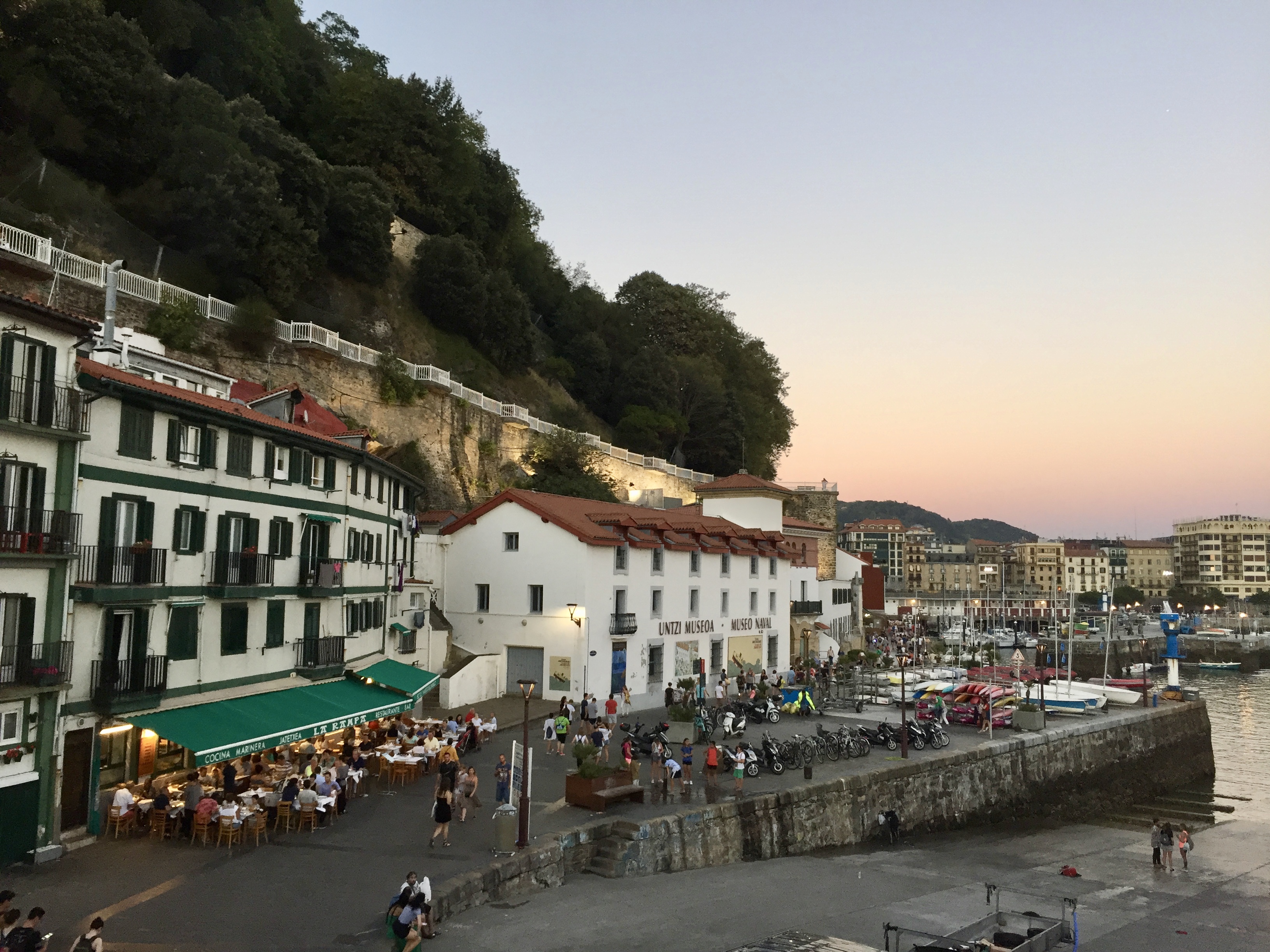
It’s Wednesday again, and this week I’m wandering back to Donostia San Sebastian, the beautiful Spanish coastal town I visited this past summer.

Last time I wandered here, I visited the beaches, golden curves of sand deserving of their own blog post. This time, I’m venturing into the Old Town.

While there is evidence to suggest that San Sebastian was at one time part of a Roman territory, the first recorded history of the place is in 1014, when the monastery of San Sebastian was given to the Abbey of Leire. By 1181, the town was officially chartered, though was mostly destroyed by fire in 1489, then again by Napoleonic troops in 1808.

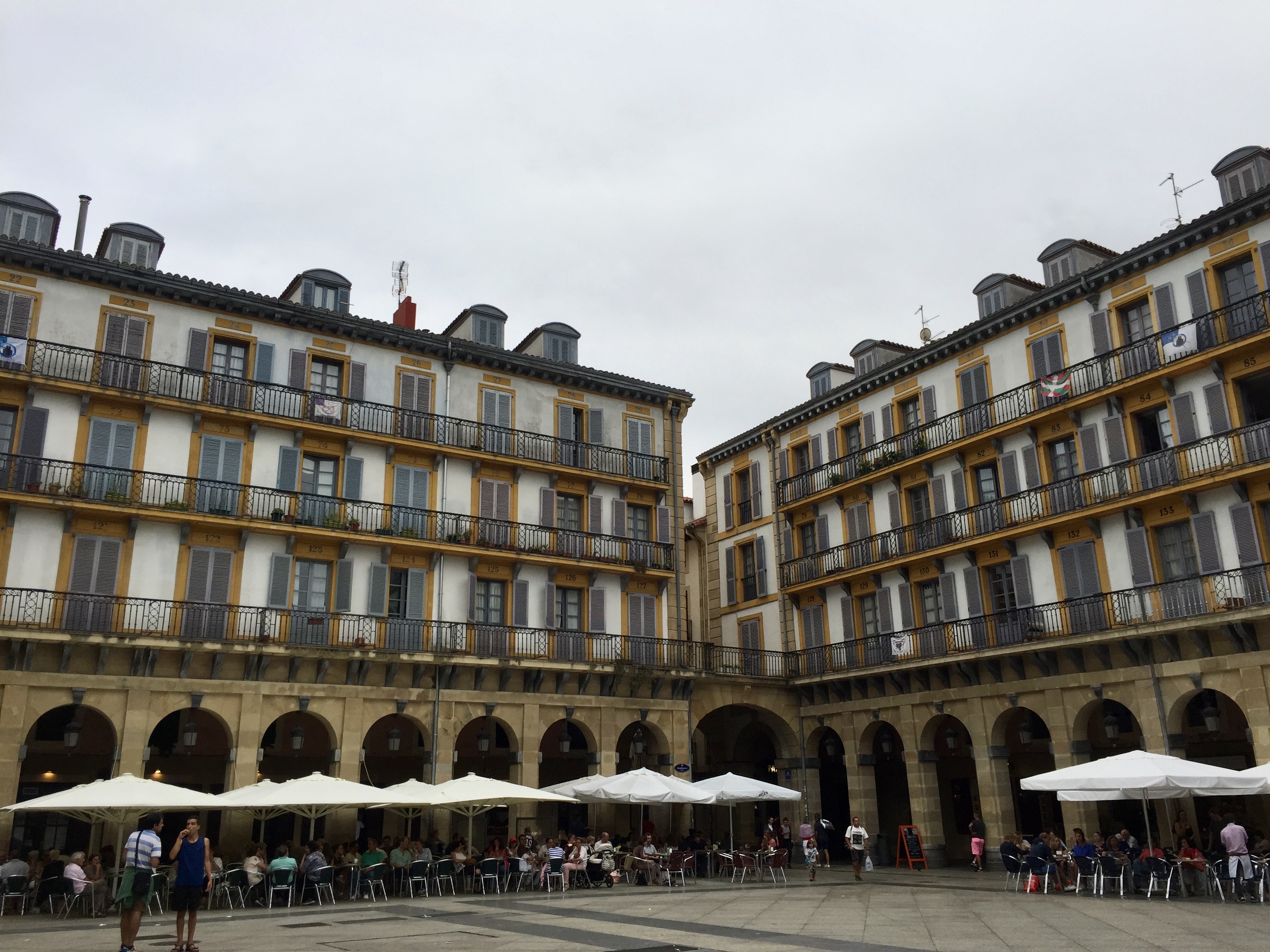
Therefore, most buildings in the Old Town date from the nineteenth century, including the Constitution Square, built in 1817.

The numbers above the windows are from the time when the square was used as a bullring – the numbers corresponded to private boxes from where bullfights could be watched. When a new bullring was built further out of town, the boxes were converted to housing, the numbers kept as a reminder of its past.

There is also an old harbour section, home to several excellent seafood restaurants (we ate at Igedo), as well as the aquarium. While the buildings here may look old, they were actually built in the early 20th century after a section of the old town wall was demolished. In the evening it’s a wonderful place, local teenagers doing somersaults into the clear green water in a bid to impress their friends, families and couples walking and talking, the restaurants buzzing with conversation and the scent of cooking in the air.

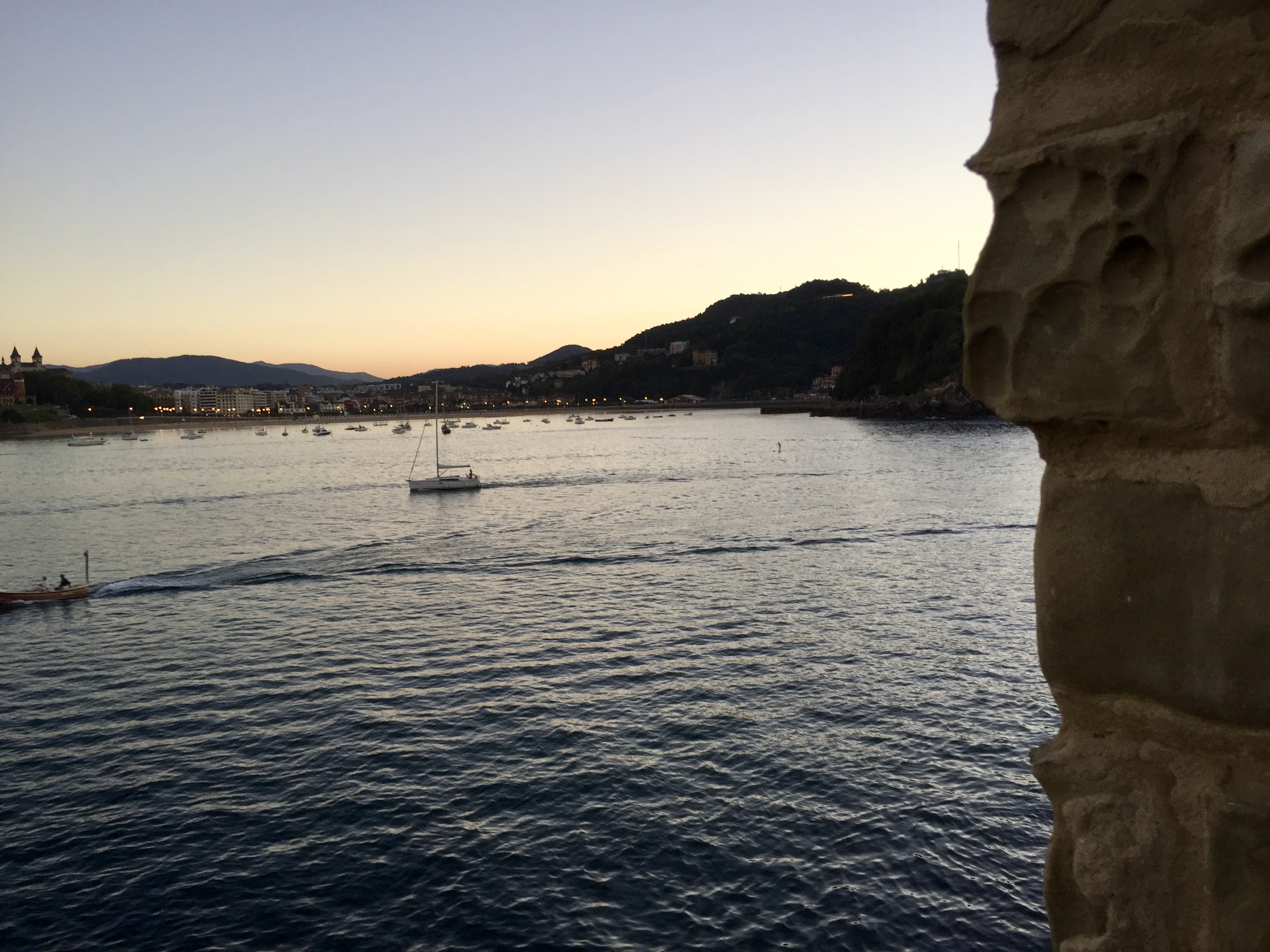
After dinner, we joined the crowds wandering along the harbour, stopping outside the aquarium to watch the sun set, colours changing in water and sky. It was completely beautiful, one of those places I’ll always remember visiting, and somewhere I hope to get back to one day.

Thanks for coming on another Wednesday Wander with me – see you next time!


If you enjoyed this post and would like to read more, you can find me on Twitter @AuthorHelenJFacebook, Instagram and Pinterest. Plus my latest book release, A Thousand Rooms, is now available on Amazon. Visit my Amazon Author Page to see more.

Highgate Cemetery, London – A Few More Photos

My Wednesday Wander this week was a very popular one, something about the wonderful funerary architecture and creeping ivy at Highgate Cemetery striking a chord with many of you.

So, as I wasn’t able to share all my photos in the post, I thought I’d post a few more for those who might be interested.

This lovely Art Deco style stone belongs to a movie producer with the fabulous name of Hercules Bellville.

While this lion stands guard over the grave of a man who made his living exhibiting ‘exotic’ animals during the 19th century.

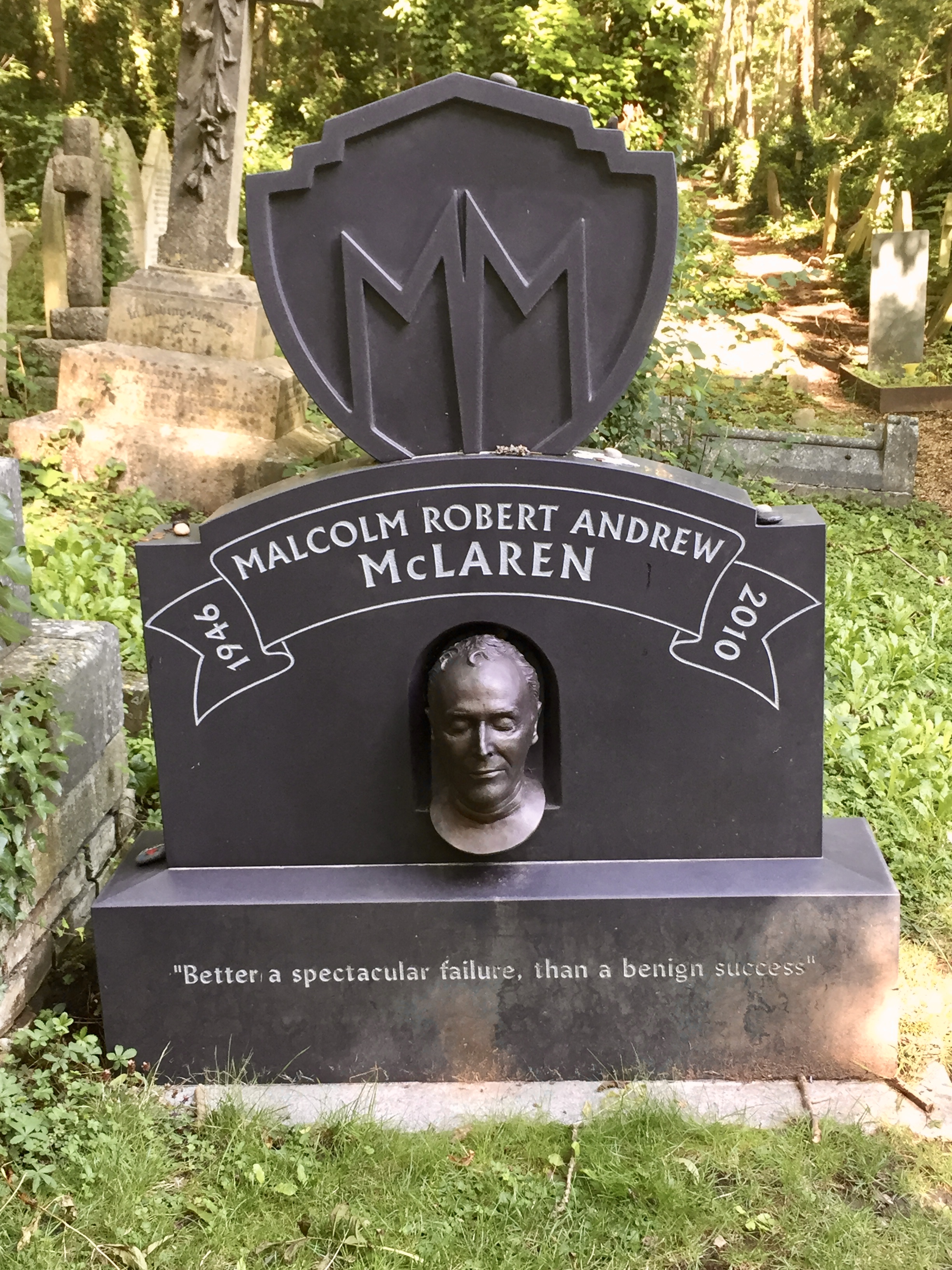
This is the grave of Malcolm MacLaren, which features his death mask for that extra little je-ne-sais-quoi.

And here is a rather interesting literary gravestone.

There are so many more interesting gravestones – I could have taken hundreds of photos, I think! If you’d like to go there and see for yourself, here is the link: https://highgatecemetery.org/


If you enjoyed this post and would like to read more, you can find me on Twitter @AuthorHelenJFacebook, Instagram and Pinterest. Plus my latest book release, A Thousand Rooms, is now available on Amazon. Visit my Amazon Author Page to see more.


The Wedding!

I was lucky enough to attend a very special event this past weekend – the lovely Suzie from Suzie Speaks married her handsome Bloke! ❤️ Pop on over to Suzie’s site and read more…

suzie81speaks's avatarSuzie Speaks

My napkins on each place setting

After a lovely weekend it’s back down to earth – The Bloke is now back at work for a while before we go on the honeymoon and I have returned to the the online world. It’s been more strange than I expected in the fact that it hasn’t been strange at all – I was told by numerous people that I would feel different, but I don’t at all, apart from the fact that I greet him with ‘hello, husband!’ every time he walks through the door…

The wedding was lovely. I was told to expect something to go wrong, but absolutely nothing did – our duty manager for the day, Derek, kept things running like clockwork (he’s ex-military so that helped) and everyone seemed to have a great time.

View original post 1,294 more words

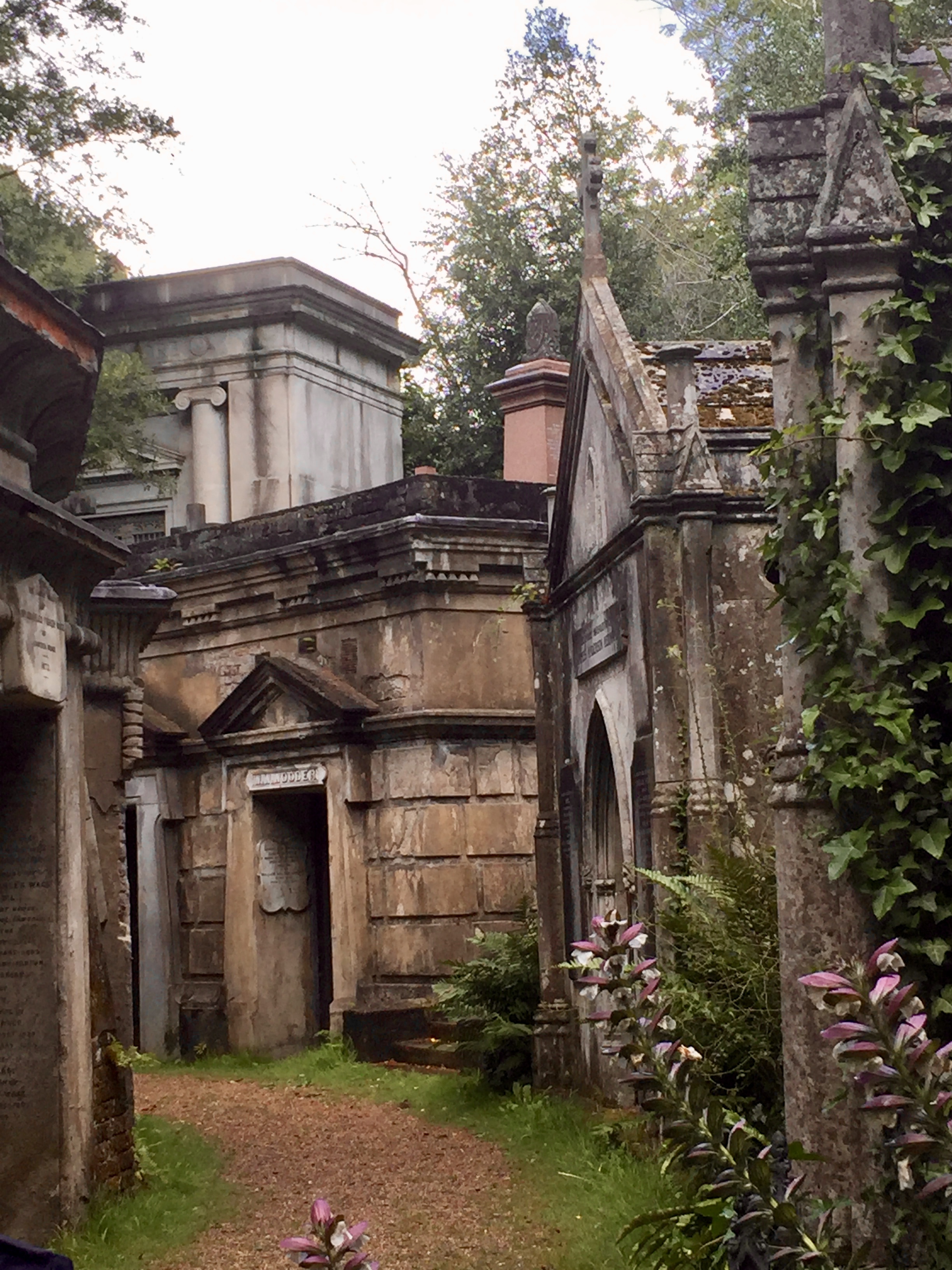
Wednesday Wander – Highgate Cemetery, London

It’s Wednesday, and it’s time to wander once more. This week I’m heading to a rather unusual attraction in London, a place one could describe as the ‘dead centre’ of town. This is Highgate Cemetery.

Up until the 1830’s, burial in London was a somewhat haphazard affair, with burial grounds crammed into small spaces, highly unsanitary in a large city with a growing population. In 1836, in response to the growing health crisis, Parliament passed an act creating the London Cemetery Company. Land was set aside to create seven new cemeteries, one of which was Highgate.

Opened in 1839, Highgate Cemetery was created after the acquisition of seventeen acres of private land, set on a steep hillside overlooking the city. Its elevated position encouraged the wealthy to invest, as did the effort expended on exotic formal planting and Gothic architecture. Burial rights were granted for either a limited period or in perpetuity, and the first burial there was of Elizabeth Jackson, aged 36.

The cemetery became so popular that a second site across the road from the original, known as the East Cemetery, was opened in 1860. Many famous people chose to spend their eternity among the trees, including writers, musicians and political figures.

However, after the Second World War the cemetery’s fortunes began to wane and in 1960 the London Cemetery Company was declared bankrupt. The cemetery closed and its future was uncertain, with vandalism and desecration damaging some of the graves. In 1975 The Friends of Highgate Cemetery was formed, work began on repairing and restoring the cemetery, and it was opened to the public once more.

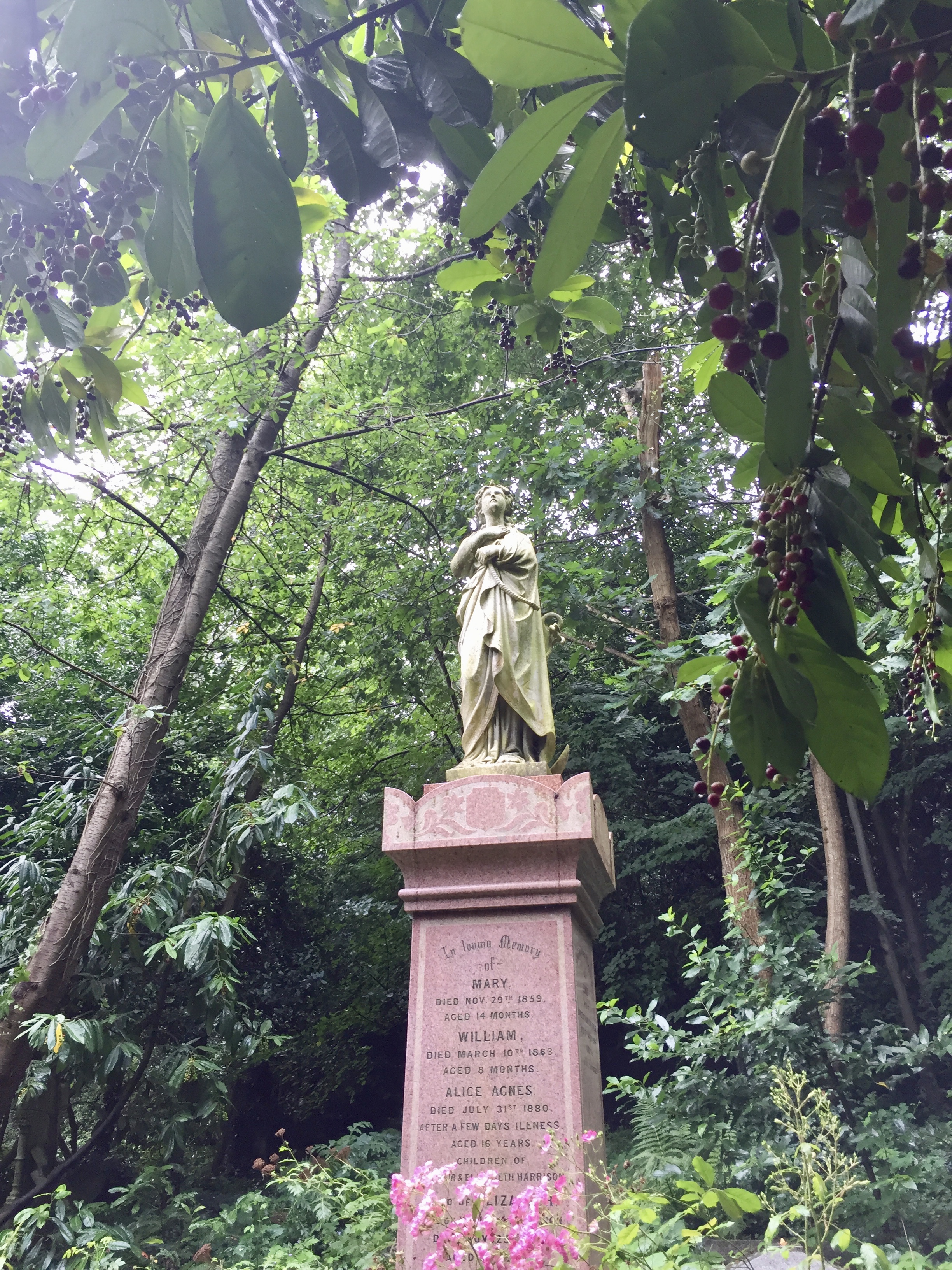
Nowadays you can take tours of the West Cemetery, wandering among the Victorian graves. I went this summer past, and could have spend literally hours there just reading the inscriptions, stories told of lives lived and families intertwined.

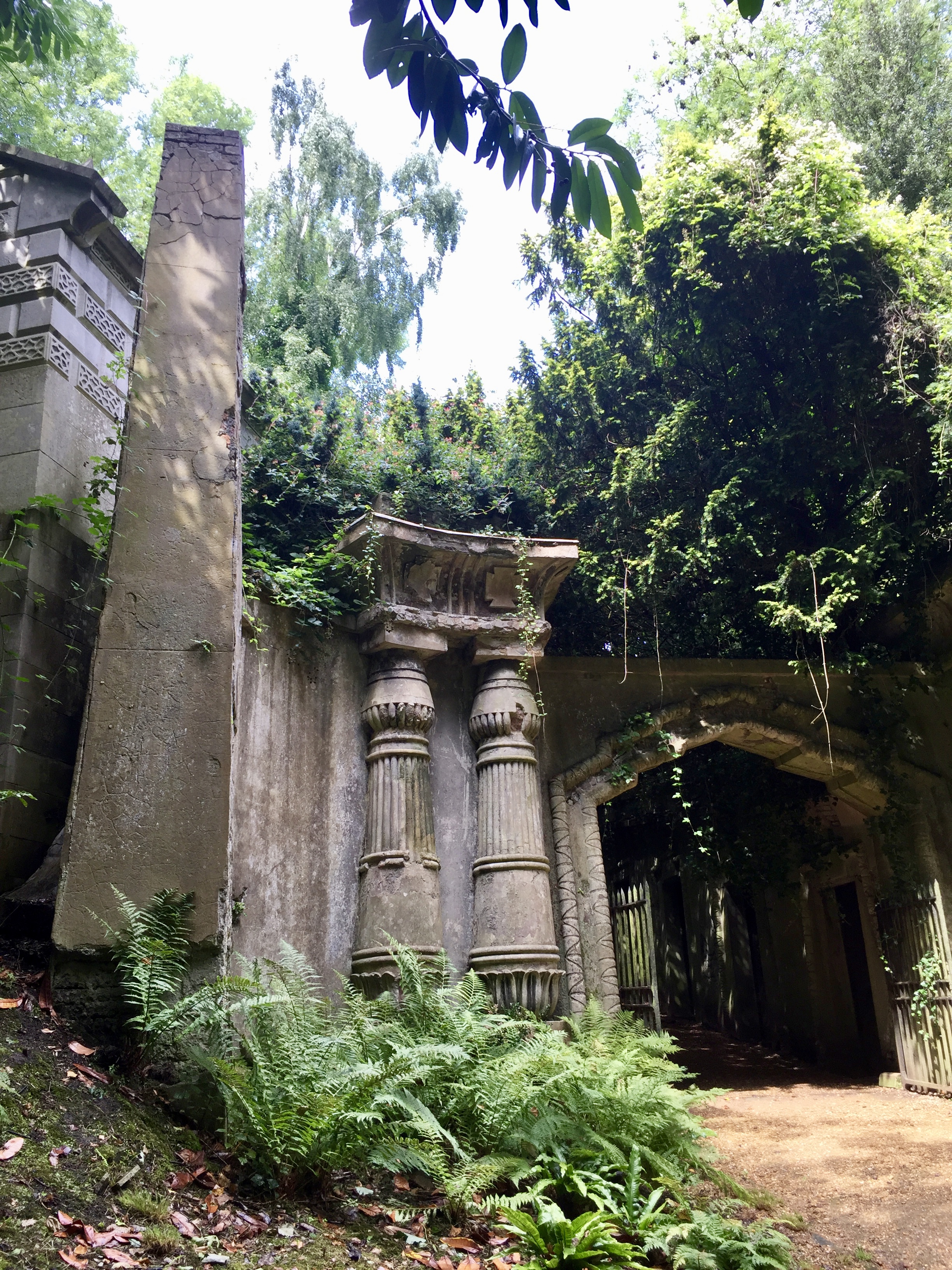
However, the West Cemetery can only be viewed by taking a tour, so we booked in and were taken around by an affable and entertaining volunteer, who clearly loved his job. The tour took just over an hour and included the Egyptian Avenue, a passageway containing sixteen vaults accessed by an imposing Egyptian style entrance.

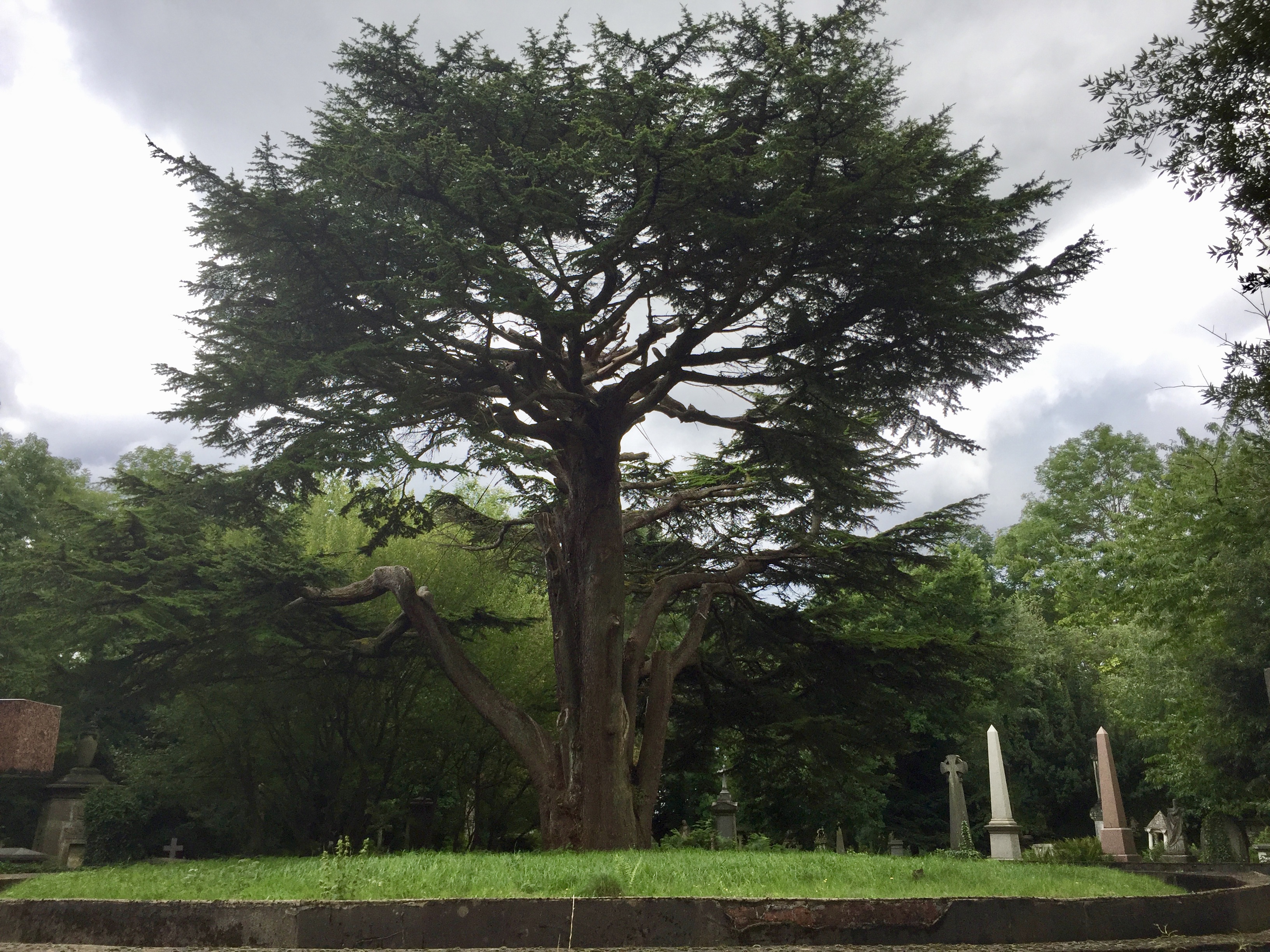
We also visited the Circle of Lebanon, a circular structure of thirty-two vaults created by excavating earth around an ancient Cedar of Lebanon, which had been planted when the grounds belonged to a private house.

The tree towers above the vaults and is a fantastic sight to see, testament to the imagination of the cemetery designers.

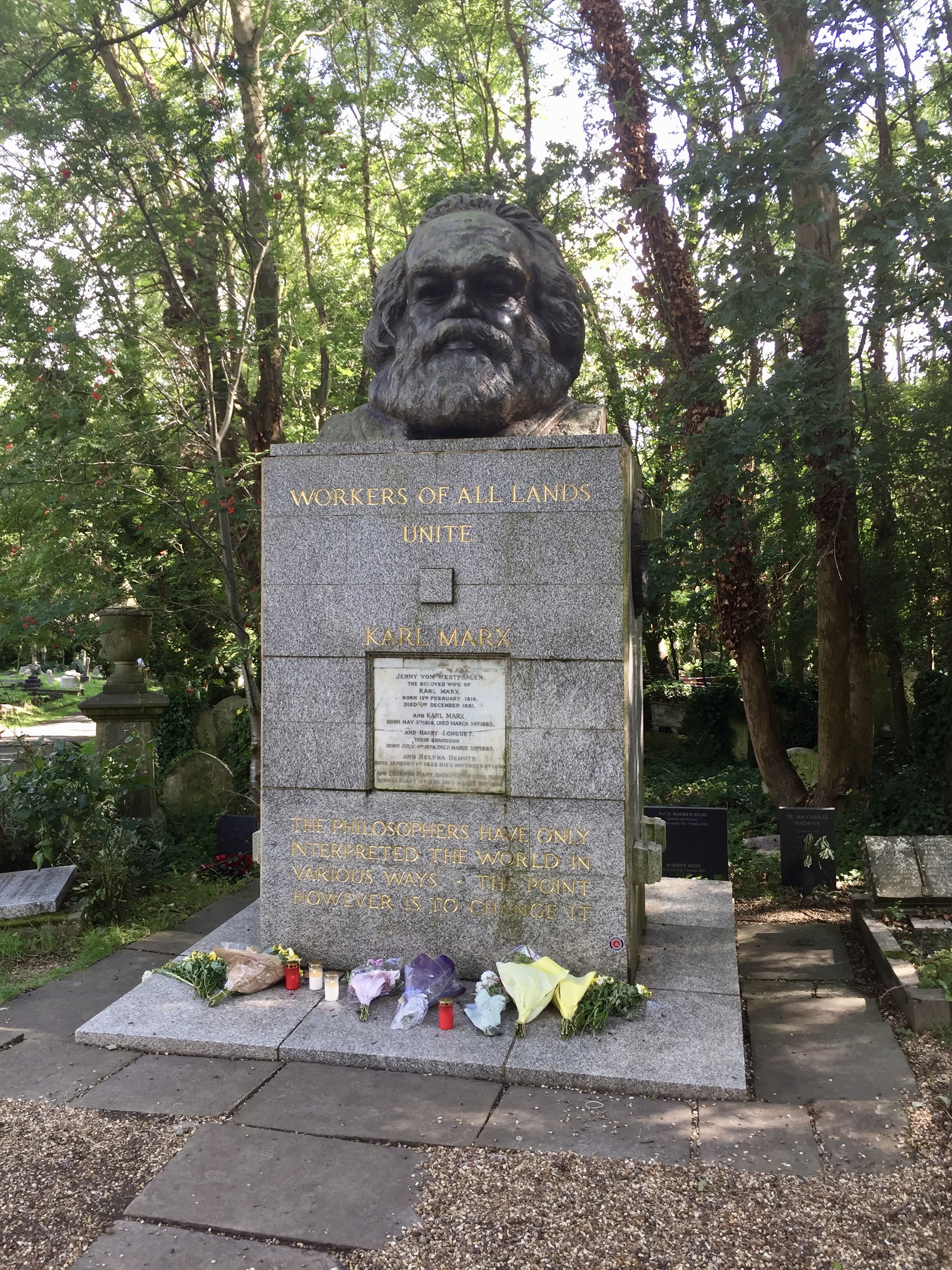
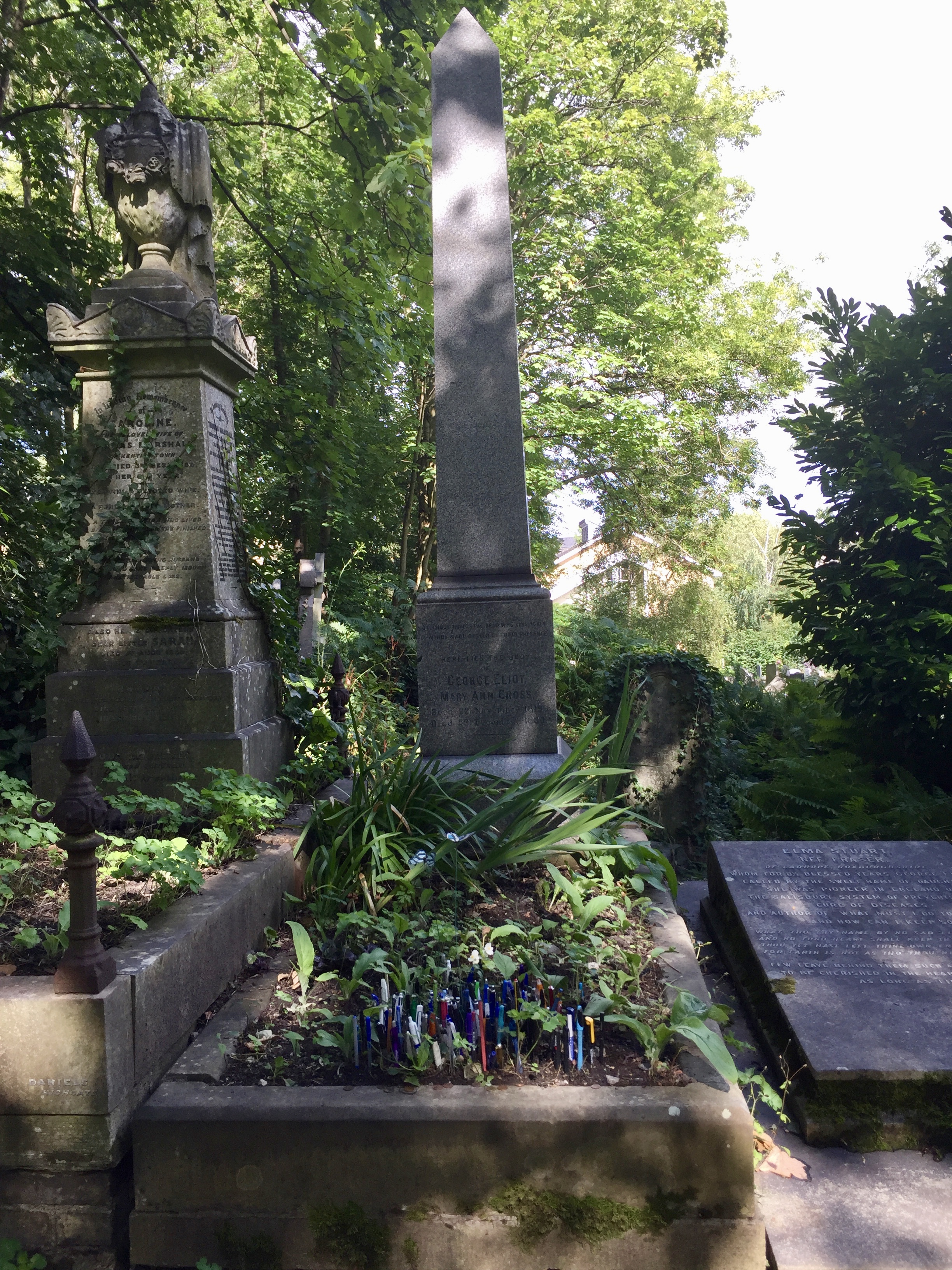
Once the tour was finished we went across to the East Cemetery, where you can, for a small entrance fee, wander freely among the graves. (If you take the tour of the West Cemetery, entrance to the East Cemetery is included). There are many famous names there, including George Eliot, Malcolm Maclaren and Douglas Adams. One of the fascinating things about the cemetery is the sheer creative range of funerary architecture, said to be some of the finest in the country. There are graves with faithful hounds, lions, movie reels and even a grand piano, all final statements of those they memorialise, set forever in stone. And each grave holds a story, a life lived.

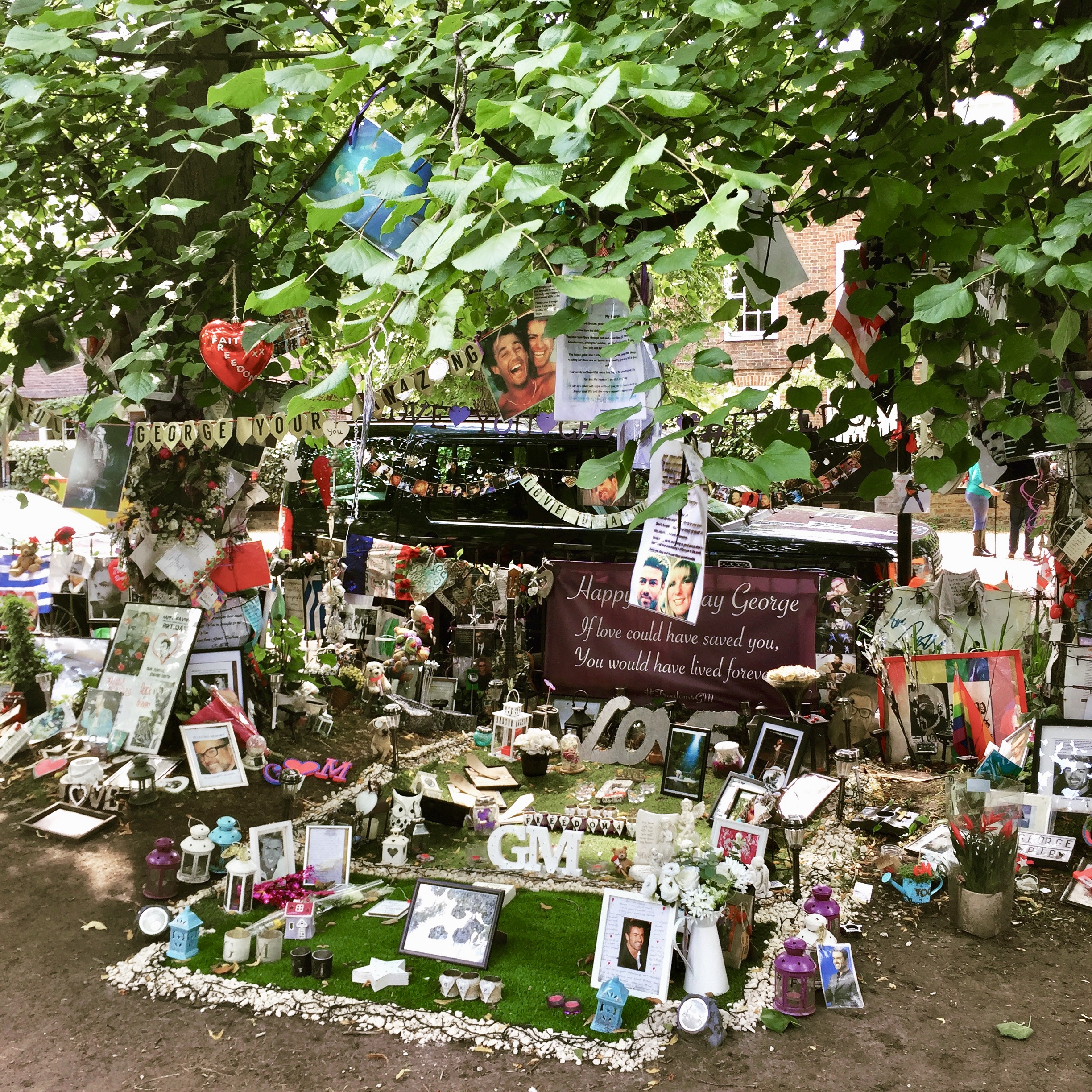
The cemetery now faces a new threat. Its romantic overgrown look is wonderful for photographs and meandering walks, but the trees and ivy that have sprung up on and around the tombstones are threatening to clog the cemetery entirely, blocking the once fantastic views of the city skyline and damaging some of the graves. There are discussions underway of how best to manage this without losing the atmosphere of the place. For Highgate is still a working cemetery, and burials still take place there. One of the more recent high profile ones is that of the late, wonderful George Michael, who lived only a short walk away. After our tour we ventured up into Highgate village and stood in front of his house, marvelling at the makeshift memorial that had sprung up to the much-loved singer after his untimely death. The photo below is only a fraction of what’s there – as his grave is in a private part of the cemetery, it was to his house that fans came to pay their last respects.

I realise we are only a day out from Halloween, and so perhaps this was an appropriate wander for this week. However, Highgate is not a spooky place – at least, not during the daytime. It is atmospheric, a little melancholy, and certainly peaceful – I enjoyed my visit there immensely.

Thanks for coming on another Wednesday Wander with me – see you next time!


If you enjoyed this post and would like to read more, you can find me on Twitter @AuthorHelenJFacebook, Instagram and Pinterest. Plus my latest book release, A Thousand Rooms, is now available on Amazon. Visit my Amazon Author Page to see more.


Maiden Mother Crone, Part 8 – Farewell

So this was it. The final stop on my weekend with the Silent Eye, not far from where it had begun for me, two days earlier. We were very close to Aberdeen airport, but, other than the occasional plane or helicopter overhead, you wouldn’t have known it.

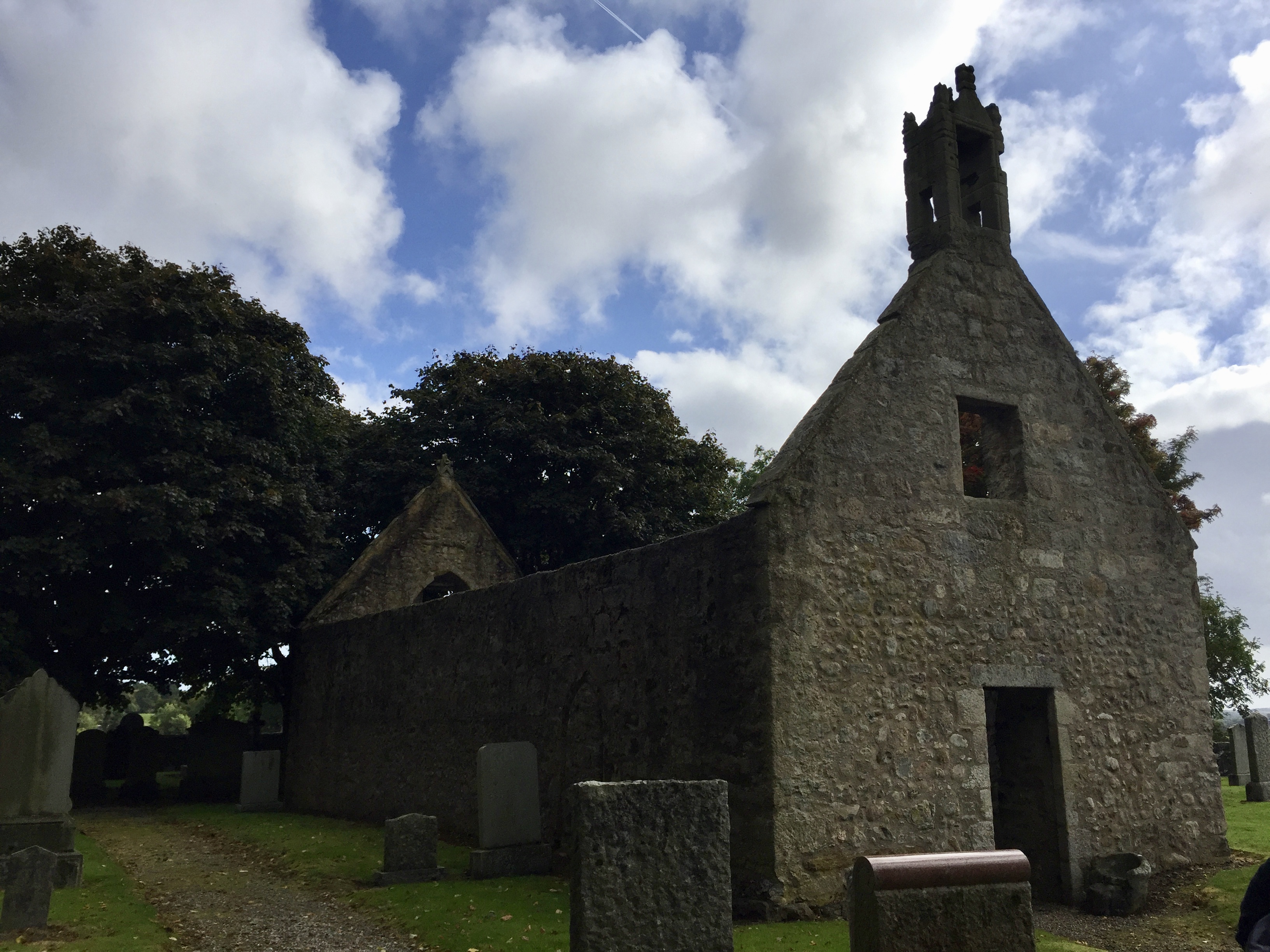
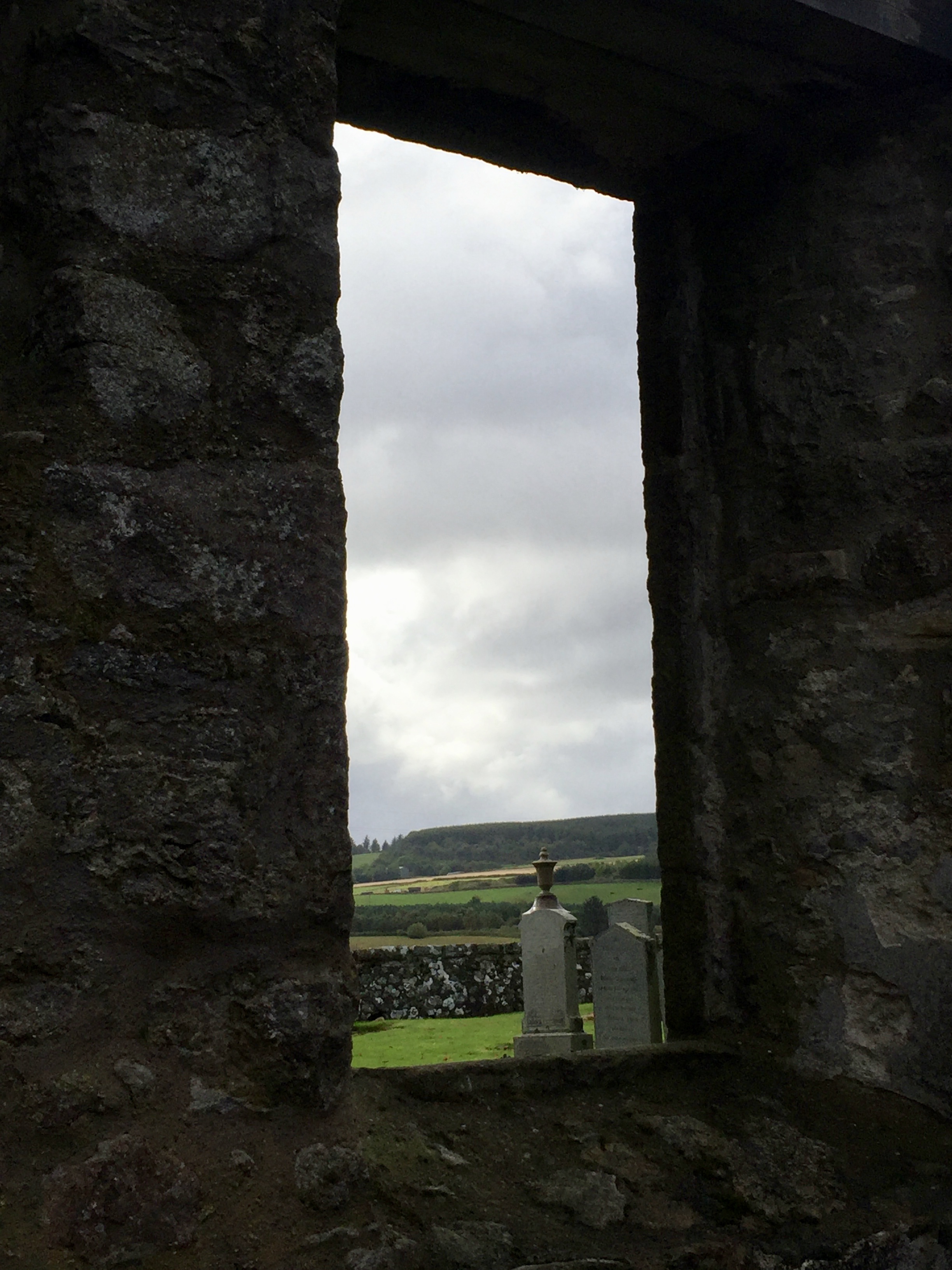
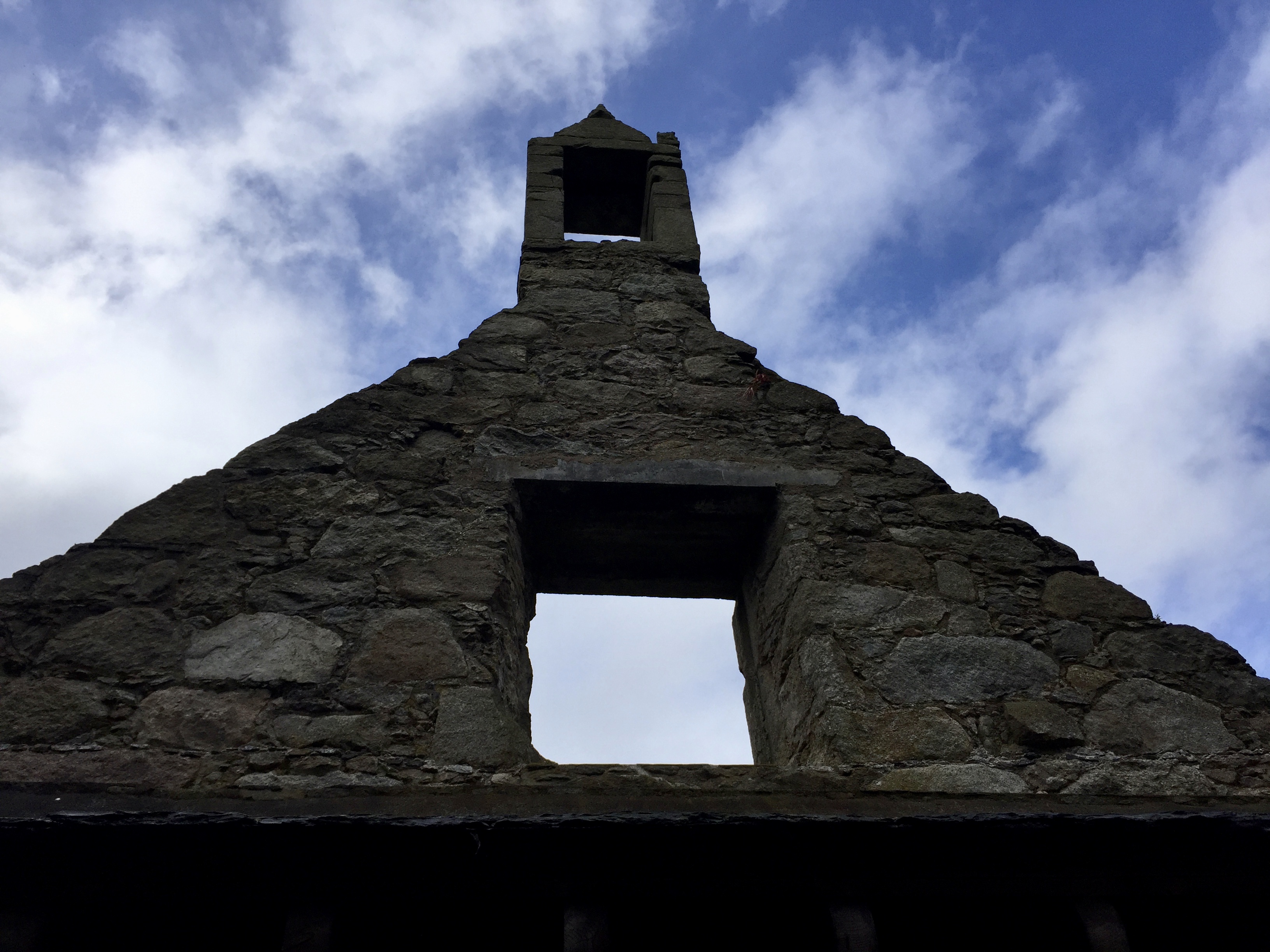
We were standing on high ground overlooking a river that turned, serpent-like, through a green landscape. A huge boulder sat on the edge of the drop and across the river from us were several homes, nestled among trees. Behind us was a ruined church, roof and windows long gone. Yet it still held secrets.

We went into the tidy churchyard, rows of stone monuments to war dead from both sides reminders of a not-too-distant past. The church itself, dedicated to St Fergus, was built of grey stone, weathered by time like the grave markers surrounding it. Interesting that it was the second church of the weekend – sacred places in the landscape were often overtaken by others as beliefs changed, often as part of the process and against the wishes of the community.

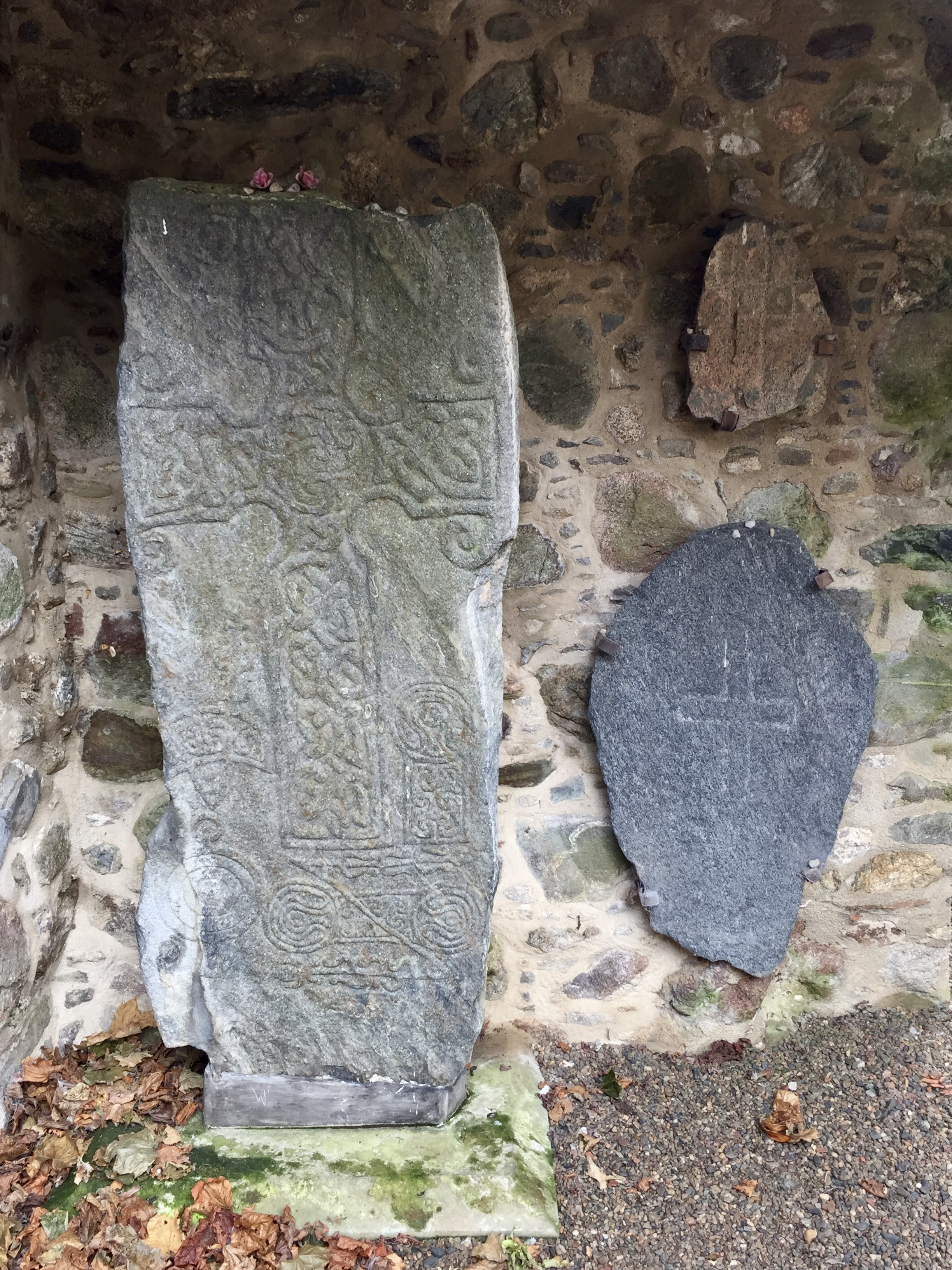
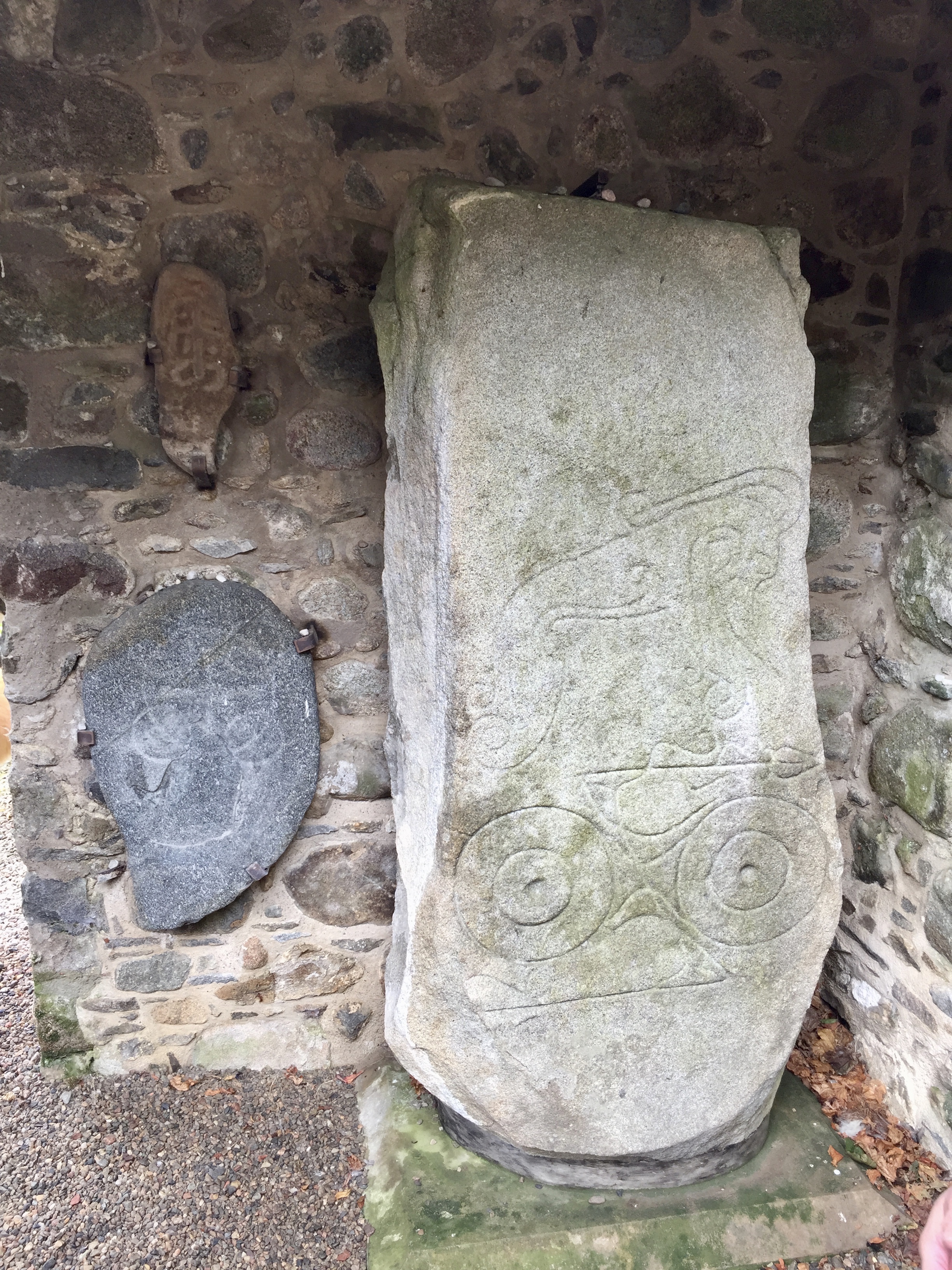
Yet symbols and relics remain, and inside the church were several such reminders of a far more distant past – the Dyce symbol stones. Carved Pictish stones, once again marked with the mysterious symbols we had seen on the Maiden stone and others, stood against the wall just inside the door, a small wooden overhang protecting them from the worst of the elements.

There was a double disc and z-rod, and another of the mysterious beasts that look like a cross between a bull and a dolphin, their message obscured by the passage of years. There were Christian symbols too, reminders of a time when Christianity and mystery dwelt side-by-side. On another carved stone set into the wall itself, white quartz pebbles had been left in offering, a nod to a much older belief system.

After spending some time in the chapel we went back out to where the land rose high above the river Don, one of two rivers from which Aberdeen takes its name. We stood in a circle around the large boulder, water below us, the sky wide above, and shared readings and reflection, a last opportunity to consider all that we had seen and experienced over the weekend.

All too soon, it was farewell. We split up into separate cars, with plans to meet down the road for tea and a last chat. However, roadworks scuppered that plan, sending us in different directions until we realised we had no choice but to simply keep going. I ended up at the airport earlier than expected, finding it strange to be all at once alone. However, I’d booked into the lounge so spent a comfortable afternoon watching planes and helicopters take off and land, still half in a dreamworld of mist and rain and dark Scottish pines, grey stones humming with power and warmth. It seemed a million miles from the modern world of steel and internet, and perhaps, in some way, it was.

Later, as I flew above cloudscapes coloured by the setting sun, I reflected on the weekend I’d just spent, the joy of spending time with companions known and the pleasure of meeting companions new. It seemed to me that it would take some time for me to process all I’d experienced and so it has been, this final post coming some six weeks after the fact. Even now, I can feel the resonance of that weekend, of lessons I think I’m still learning on a lot of levels. Scotland was a challenging land, a land that did not compromise, that refused to conform. Yet it was also a place of great beauty and welcome, and somewhere I instantly fell for, no matter the weather it threw at me.

I can’t wait to go back.

This is the final instalment of my account of a recent weekend away in Scotland with The Silent Eye. Click here to read part one, part two, part three, part four, part five, part six and part seven.


If you enjoyed this post and would like to read more, you can find me on Twitter @AuthorHelenJFacebook, Instagram and Pinterest. Plus my latest book release, A Thousand Rooms, is now available on Amazon. Visit my Amazon Author Page to see more.

Wednesday Wander – Watchet, Somerset

This little harbour town in Somerset is has neither the fame of San Francisco nor the glamour of Biarritz, yet it is where I’m wandering this week.

Watchet is a charming place with an ancient history, situated at the mouth of the River Severn. An Iron age hill-fort nearby, later re-fortified by Alfred the Great, is said to be the origin of the settlement, with the harbour originally named Gow Coed by the Celts, meaning ‘under the wood’. Across the water lie the misty hills of Wales and it is from the harbour, looking at the view, that Coleridge is said to have been inspired to write The Rime of the Ancient Mariner. A statue marks the spot, the Ancient Mariner and his albatross together for eternity.

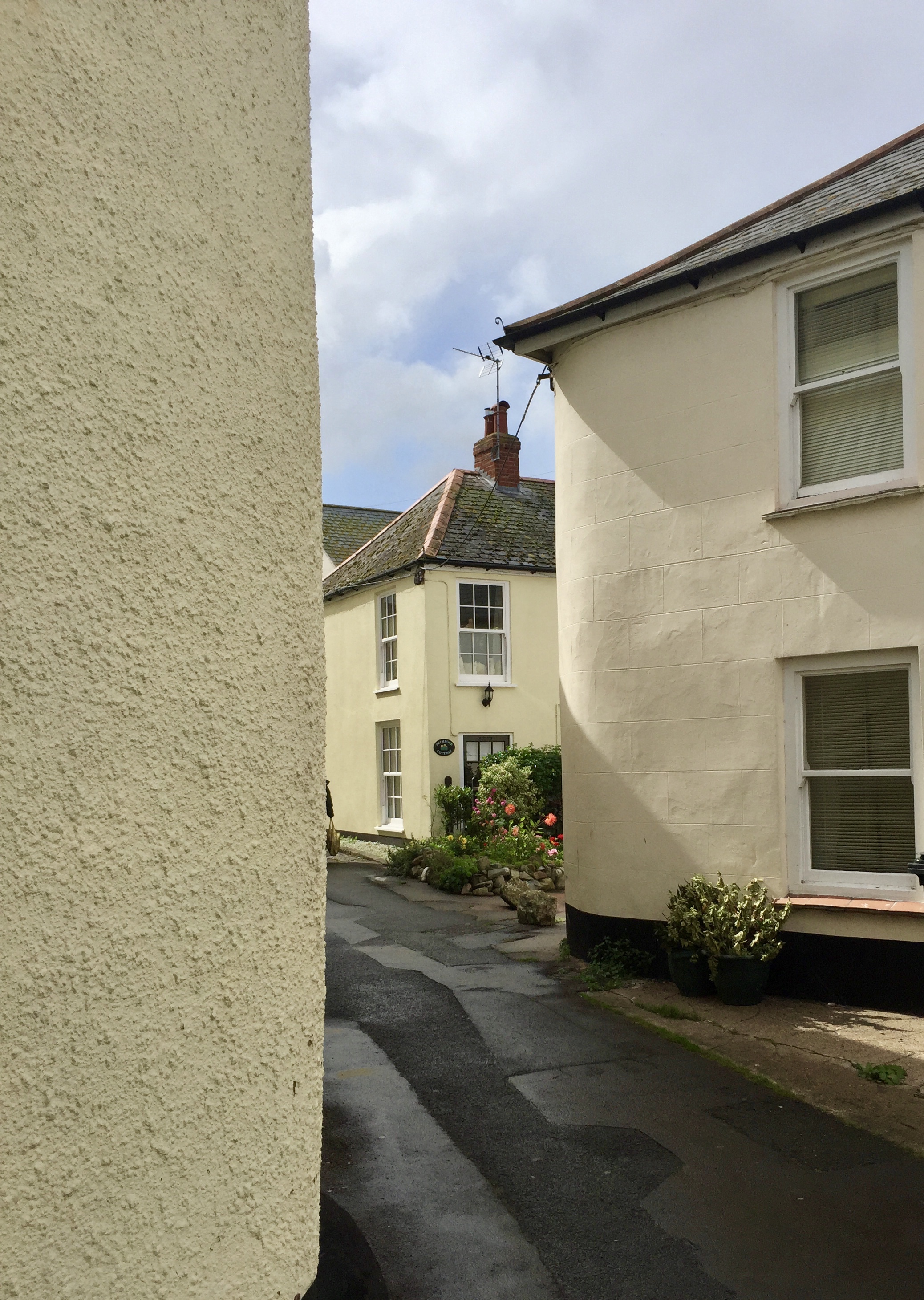
We stayed in a pink-painted cottage with a view of the sea, walking the cobbled streets to the local pub or fish and chip shop, wandering the bric-a-brac and antique stores (where I scored an excellent pair of vintage boots).

A trip to the nearby beach produced further treasure in the shape of fossils – ammonites and oyster shells frozen in time for millions of years, tumbled among the stones that lined the shore.

As we walked back from the beach we took a bramble-lined path running between the trainline and the sea. In the 19th century, Watchet was a centre of the industrialised paper industry, its products travelling country-wide. Now the tracks are used by commuters and sightseers, and it was a rather special day. The famous Flying Scotsman steam train was in town, taking people on journeys through the beautiful green countryside. People lined the tracks to watch it pass, and so did we.

We had only a couple of days in Watchet, yet it made an impression that lingers, of hidden houses down curving streets, distant hills and fossil beaches, and water that changes with the sky and tides. I hope to go back there one day…

Thanks for coming on another Wednesday Wander with me – see you next time!


If you enjoyed this post and would like to read more, you can find me on Twitter @AuthorHelenJFacebook, Instagram and Pinterest. Plus my latest book release, A Thousand Rooms, is now available on Amazon. Visit my Amazon Author Page to see more.


Maiden Mother Crone, Part 7 – The Dance

It was Sunday morning, and it was raining again. But I breakfasted with friends, warmth and laughter a pleasant way to begin the day. Outside, a raven wandered along the wooden fence – one of our group remarked on him, as he was quite unusually large. ‘He was there yesterday, as well,’ I said. Sue had mentioned to me the day before, as we stood in Midmar circle, that it was the time of the Raven, so it seemed appropriate to see him waiting there.

After breakfast we met the rest of the group at the usual place, before splitting into smaller groups to head to the first of three planned sites for the day. Aftera short drive we pulled up on a road running alongside a petrol station, brambles and bushes tangled along the verge, and what looked like a bit of a wasteland on the other side. Yet, that was our destination
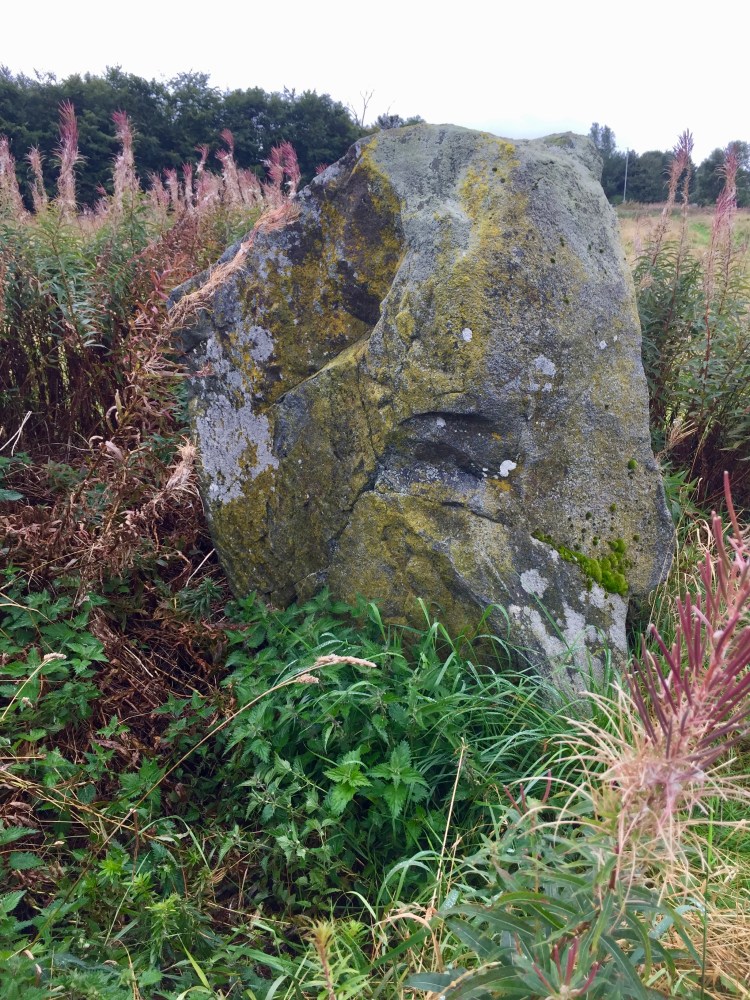
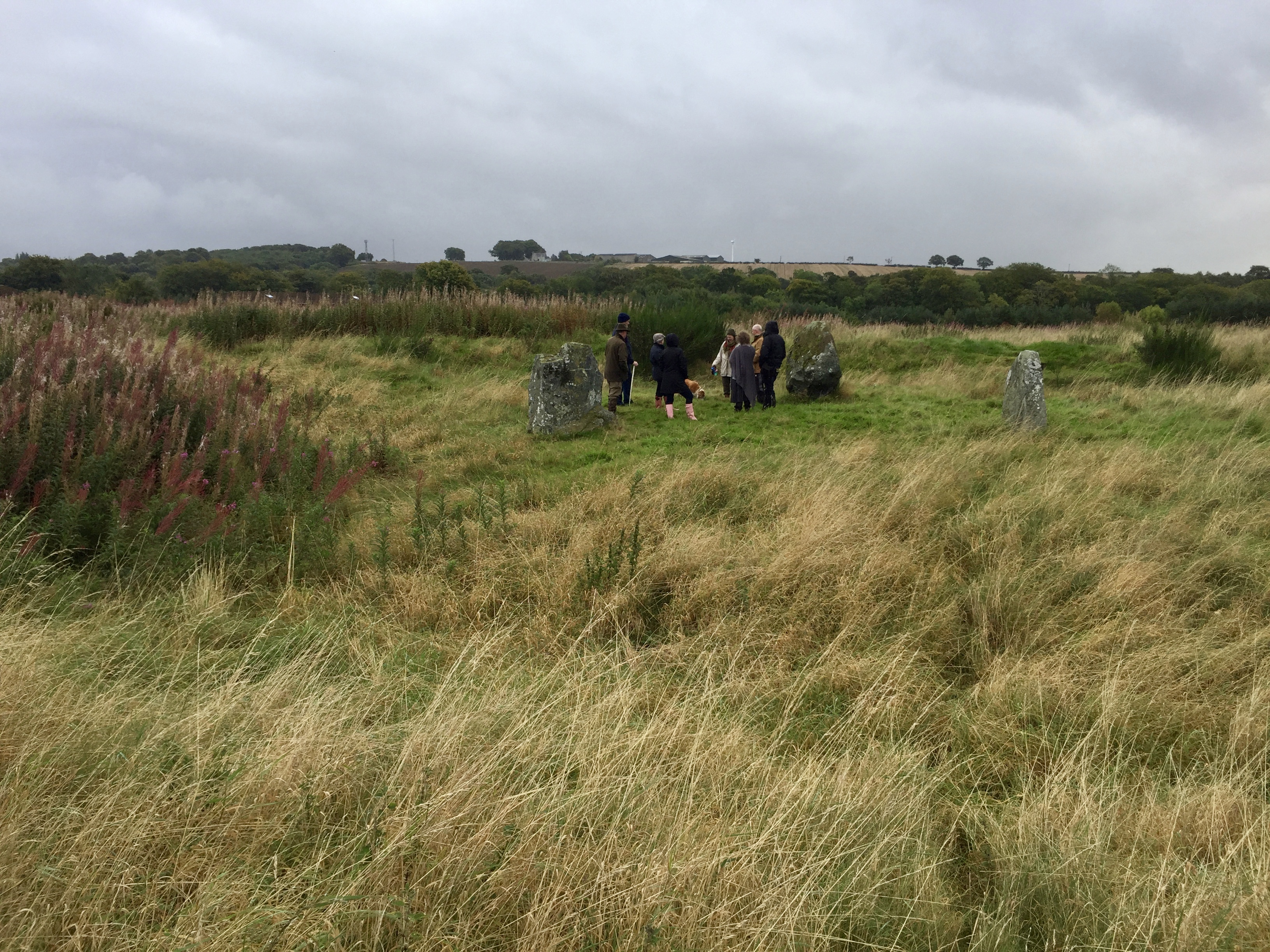
This unprepossessing piece of ground was actually once a place of some significance. As we took the narrow path through tall weeds the land seemed to rise around us, cradling us in a bowl. The long grass hid shapes that revealed themselves as we came closer, a circular henge surrounding three standing stones our destination.

Another carved Pictish stone, the Broomend of Crichie, awaited us and, as we entered the henge, once again soft drizzle began to fall. The modern world seemed to fall away and, as the ancient site was described by our guide, it seemed to come to life around us. The long avenue once featured 12 pairs of stones – though only one stone remained, it was in situ, unlike the three stones in the circle. There have been excavations done on the site, but more work is yet to be done to fully understand this place.
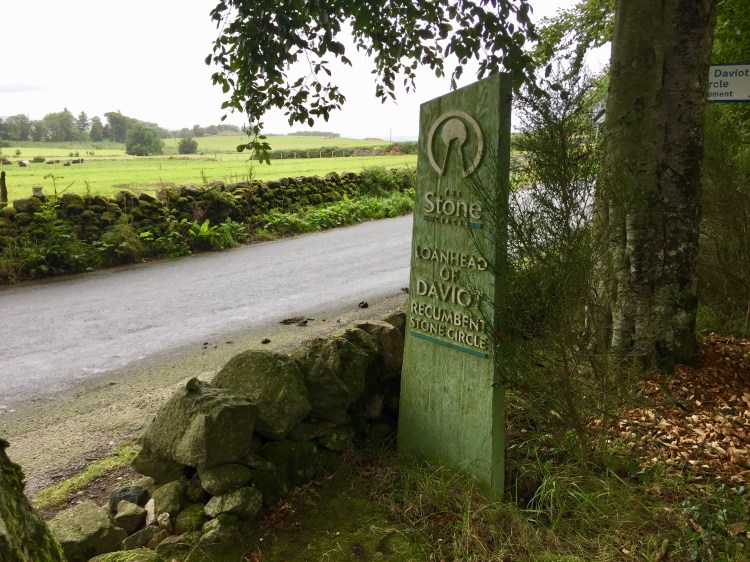
But we had to keep moving. It was the final day of the weekend, the companions all had places to get to before the end of the day, and there were still two more sites to visit. So we headed into the countryside once more, our next destination the Loanhead of Daviot, another recumbent stone circle.

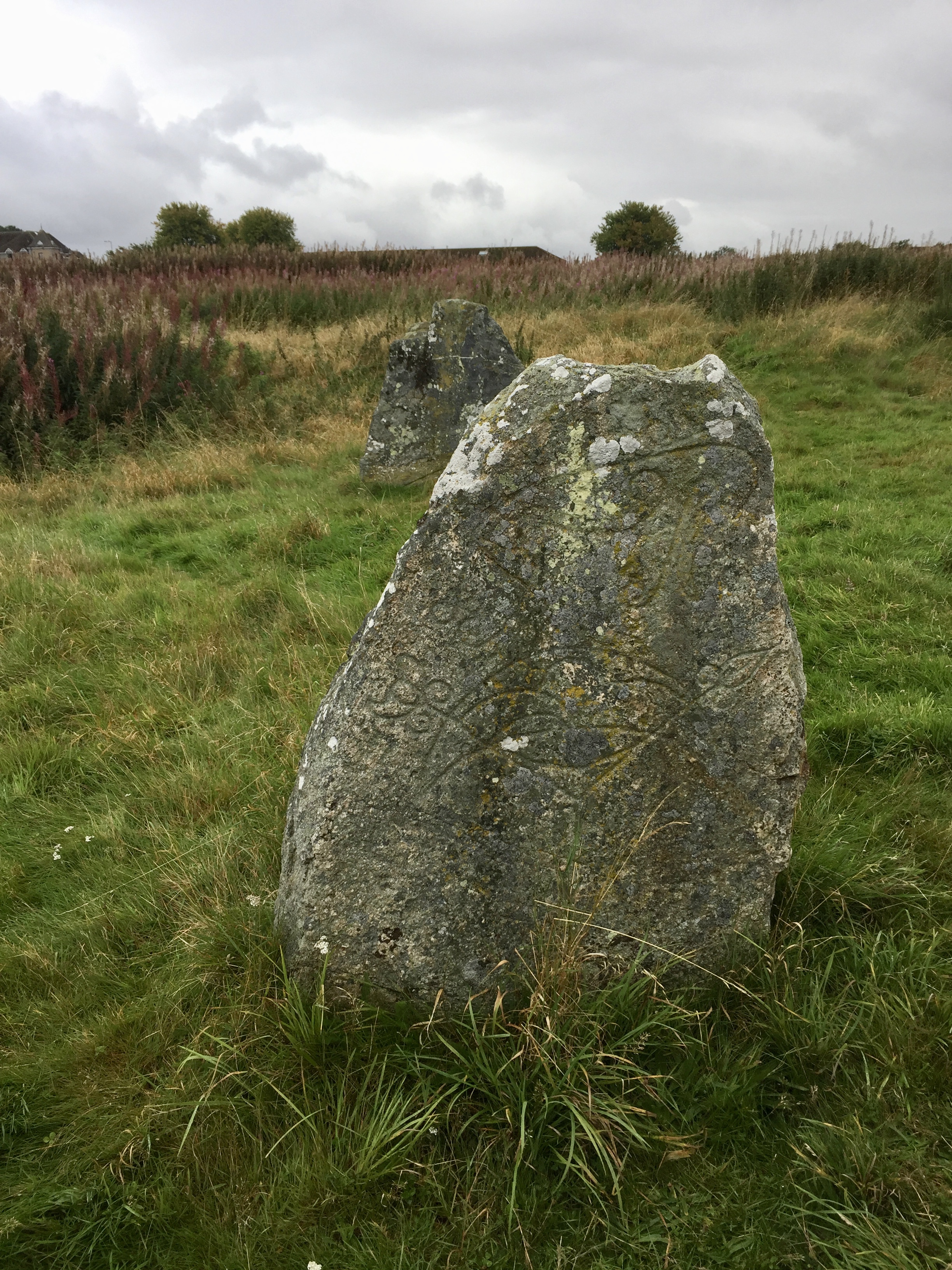
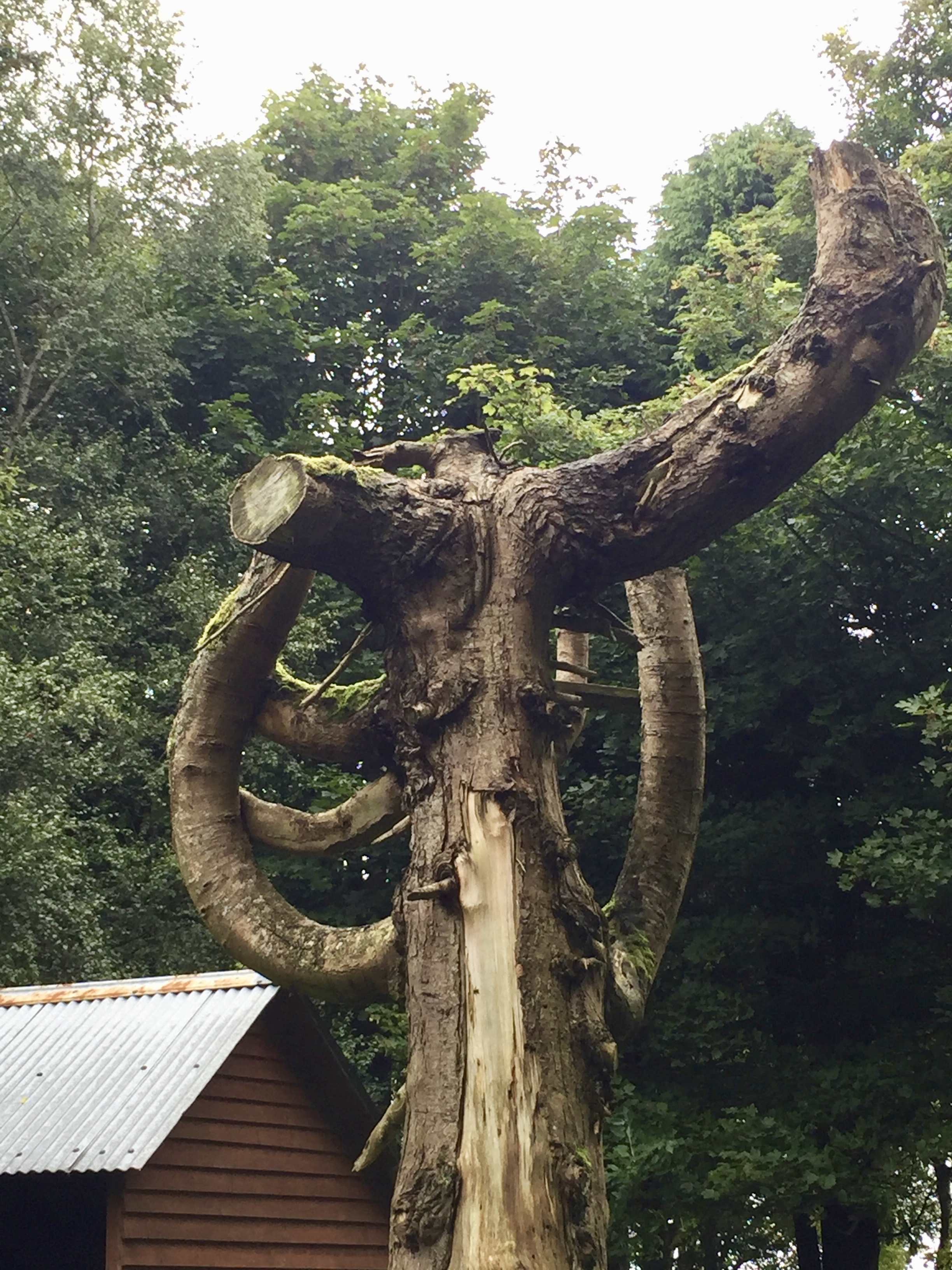
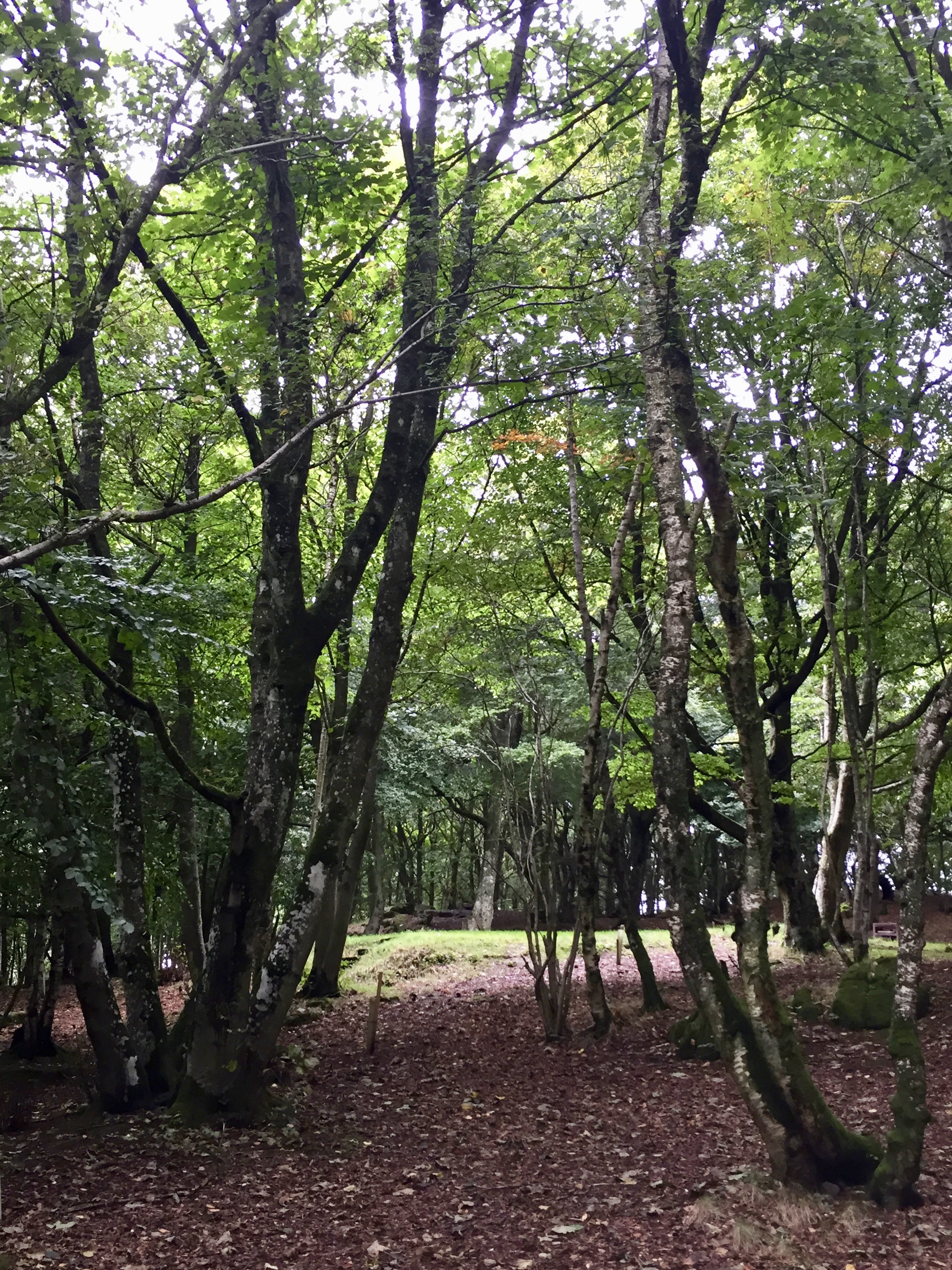
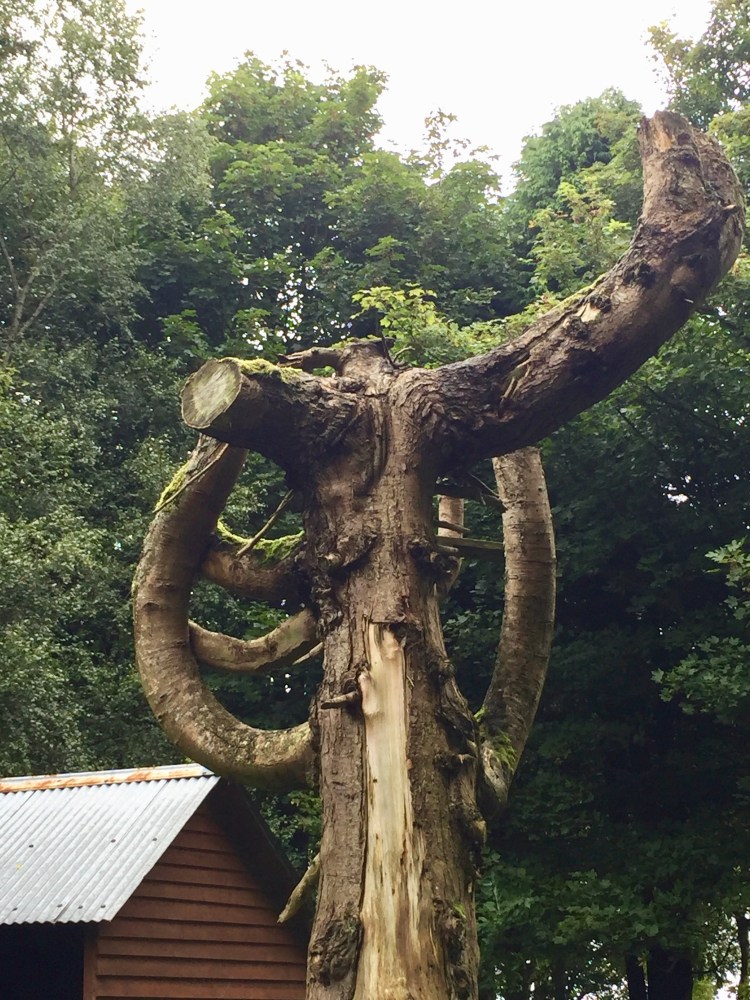
As we walked the pathway to the stone circle my gaze was drawn to the left, to a rise in the woods where I could see a couple of large stones, and I stopped to take a photograph. A tree up ahead seemed to hold the shape of a dragon, and the land itself felt full of wonder.
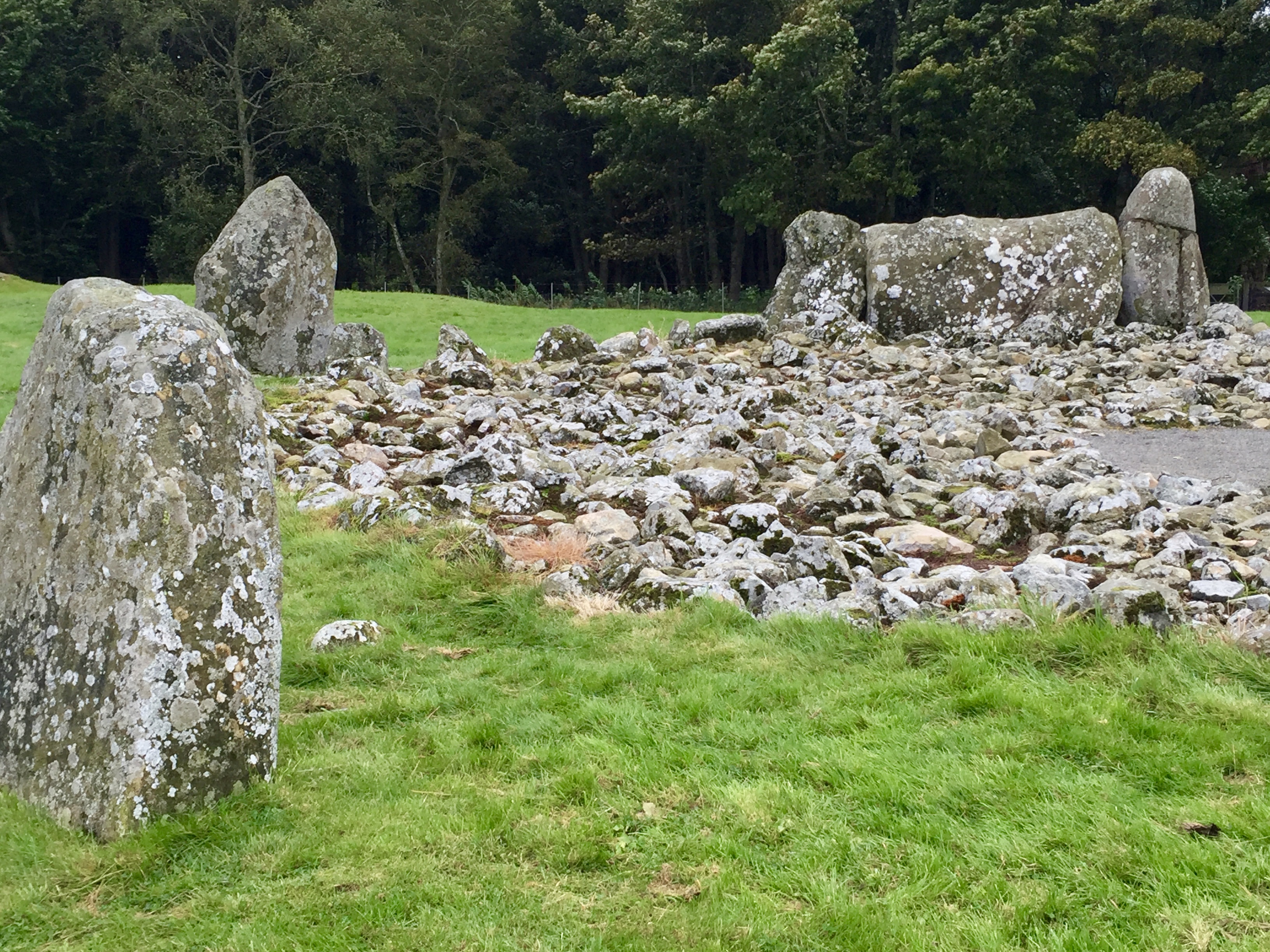
The trees opened out and we found ourselves on the side of a slope, almost at the summit but not quite, as we had seen with the other recumbent circles we’d visited. This circle was complete, and quite large – over twenty metres in diameter, the huge recumbent stone flanked by two taller stones.

The remains of a circular burial cairn lay next to the circle. Excavation in 1934 found burials with Iron Age & Beaker pottery, while subsequent work uncovered flint scrapers and a Bronze Age sword mould, showing the site was in use for many centuries.

‘Well, this doesn’t feel right. The bits in the middle.’

‘They seem more modern, maybe they were done later’

I was having this conversation with one of the companions, both of us bemused by the large jumble of stones spread across the centre of what was otherwise a perfectly lovely stone circle. There was none of the turmoil of Cullerlie here, but the stones were rough and difficult to walk on, not exactly conducive to ritual. It didn’t feel uncomfortable, it just felt… out of place. As we spoke, we heard our guide explain that the Victorians had moved the stones from the nearby cairn to spread across the centre of the circle, because they thought that was how it should be.

Why they haven’t been moved back I don’t know. I guess it will remain a mystery.
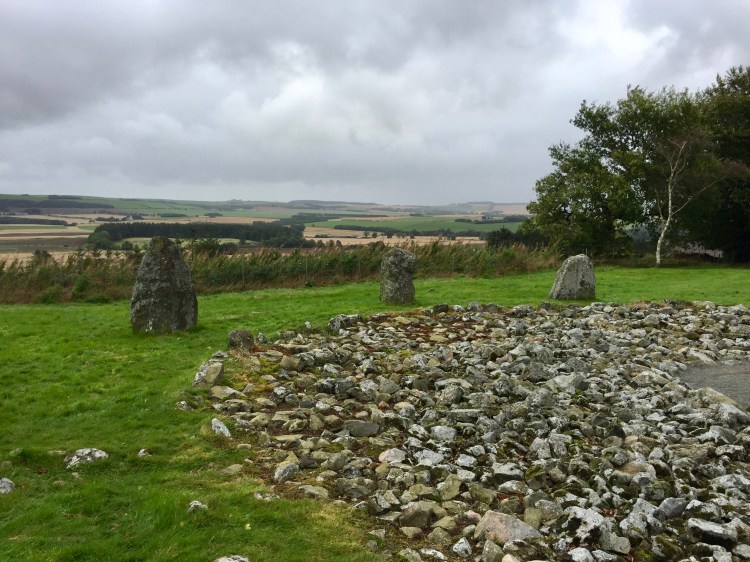
We stayed at the circle for a while, the usual rain appearing to soak us. By now it was expected, and we simply put up our hoods and got on with it. Our guide pointed across the small valley to the slope opposite, asking us what we could see. And there it was, another recumbent with two flanking stones, all that remained of another circle, the rest of it lost to time. Clearly, to the people who worked this landscape, the circles were deeply significant and important enough to make in multiples – it’s a shame that we don’t really know why.
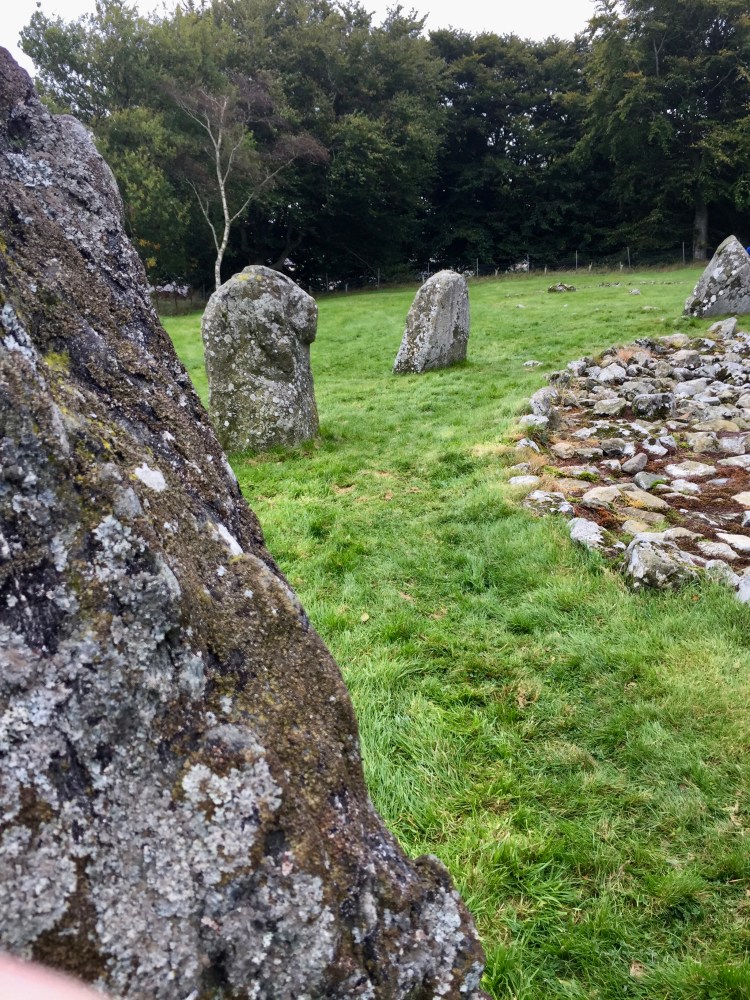
One of the group had stopped on their way in to talk to an older man working on the site, and he had told him a story of a ghost, a woman in a green dress, said to dance in the circle at night. The area was used by Scouts and the story was told to scare them – we found it intriguing, in light of what we’d learned about the circles and their uses.

The stones cannot stop the dance…

I heard this very clearly, afterwards, the words strong in my mind, beautiful with their sense of freedom, their message reaching beyond the circle, a smile in the voice saying them. Whether it was the influence of the charming storyteller, or something else, I’m not sure. But it felt as though someone linked their arm with mine, wanting me to come with them.

Come with me, I would show you something. In the woods…

I went to the trees, a wire fence stopping me from entering the woods proper. But I think I could see what they were trying to show me. A small ridge, stones piled there, the same spot that had caught my attention as we’d entered the site. I took another photograph, because it felt like the right thing to do.

It was time to go, so we bade the place farewell. One more site to visit before the weekend was out…

This is my account of a recent weekend away with The Silent Eye. Click here to read Part 1, Part 2, Part 3, Part 4, Part 5 and Part 6.


If you enjoyed this post and would like to read more, you can find me on Twitter @AuthorHelenJFacebook, Instagram and Pinterest. Plus my latest book release, A Thousand Rooms, is now available on Amazon. Visit my Amazon Author Page to see more.

Thursday Doors – Look Closer

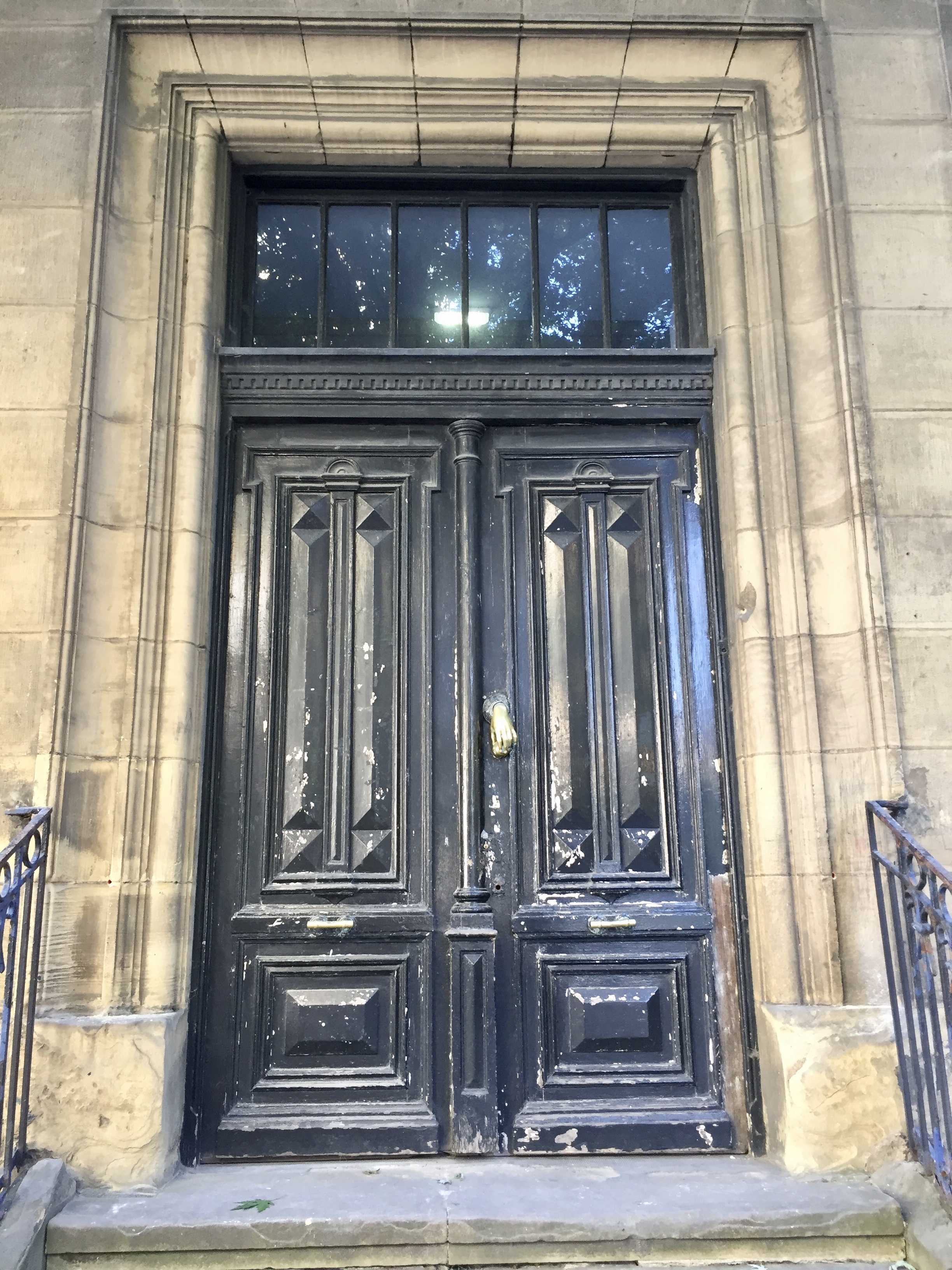
This, one could say, is a fairly ordinary door. It’s old, certainly, the stone building it belongs to probably built a hundred years ago or more. Other than that, it’s fairly standard, with its carved panels and battered black painted finish. A door like many others around the world.

But look a little closer, and you’ll see what it was that drew my attention…

The handle is straight from a dark fairy tale, a woman’s hand holding an apple. Is it the wicked queen, tempting unwary visitors to their fate, or Snow White herself, frozen by cold poison for eternity, her glass casket replaced by wood and stone, waiting for her prince to open the door?
Or, is it just a really neat door handle?

This is my entry to this week’s Thursday Doors Challenge, courtesy of Norm 2.0. For more doors, or to add one of your own, visit Norm’s site and click the link.


If you enjoyed this post and would like to read more, you can find me on Twitter @AuthorHelenJFacebook, Instagram and Pinterest. Plus my latest book release, A Thousand Rooms, is now available on Amazon. Visit my Amazon Author Page to see more.